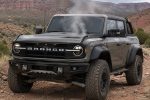
Certain model-year 2020-2025 Jeep Wrangler 4xe and 2022-2026 Jeep Grand Cherokee 4xe vehicles were manufactured with high-voltage (HV) battery packs that may contain defective cells. The defect can lead the battery to internally fail and potentially cause a vehicle fire – whether the vehicle is parked or driving.

What’s the problem?

  • On July 3, 2025, the manufacturer’s technical safety organization opened an investigation after reports of fires originating in the HV battery packs of these plug-in hybrid vehicles – including vehicles that had already undergone the earlier remedy under Recall ID 95B (NHTSA ID 24V-720).
  • The battery supplier Samsung SDI obtained a pack from a vehicle that had experienced a fire with cells manufactured outside the original recall’s scope. They found the fire was caused by the same defect identified under 95B and are working to identify additional causal factors.
  • As of October 13, 2025:
    • 9 fires reported in vehicles which had already had the 95B software remedy applied.
    • 10 fires reported in vehicles whose cells were outside the original 95B scope.
    • 19 customer-assistance records, 0 warranty claims, and 19 field reports tied to this issue (dates from Jan 27 to Sept 2, 2025).
    • 1 injury and no confirmed accidents tied to this issue.
  • On October 24, 2025, the manufacturer determined there is a defect affecting motor vehicle safety in all affected vehicles.
  • The manufacturer states that in rare cases, a battery pack may contain cells with separator damage which, combined with other complex interactions within the cell, may lead to a fire.
  • A key interim safety measure: risk is lower when the battery charge level is low or depleted, and higher when the battery is fully or highly charged.
  • Owner advice: refrain from recharging the vehicle, and park away from structures or other vehicles until the final remedy is available.
  • The recall campaign number is 68C (NHTSA campaign number 25V-741) and even vehicles previously recalled under 24V-720 or 23V-787 will need the new remedy.

Affected vehicles

  • Model year 2020-2025 Jeep Wrangler 4xe
  • Model year 2022-2026 Jeep Grand Cherokee 4xe

What should owners do now?

  1. Minimize risk until fixed:
    • Avoid charging the plug-in-hybrid battery.
    • Park the vehicle outdoors or away from other vehicles/structures (such as garages) when practicable.
    • Try to keep the battery’s state of charge as low as is reasonable for your use.
  2. Wait for the remedy: The final repair or battery replacement is under development. Interim notification letters are expected to be mailed starting December 2, 2025, with additional letters once the remedy is ready.
  3. Follow dealer instructions: Once the remedy is available, schedule service promptly. The remedy may include software updates to the battery management/control module plus potentially a full HV battery pack replacement.
  4. Stay informed: Keep track of recall updates and announcements.

Why this matters: safety & resale considerations

  • A fire originating from a plug-in hybrid’s high-voltage battery is a rare but serious risk: it can pose danger to occupants, first-responders, and bystanders, and damage property.
  • Even if your vehicle hasn’t shown signs of the defect, being part of the recall means you should treat it as a potential risk and act accordingly.
  • From a resale/ownership value perspective, vehicles under open safety recalls can be harder to sell or may need disclosure depending on local laws. Completing the remedy promptly is beneficial for overall vehicle value and peace of mind.

Bottom line

If you own a 2020-2025 Jeep Wrangler 4xe or a 2022-2026 Jeep Grand Cherokee 4xe, this is a recall you cannot ignore. While the risk may only affect a minority of vehicles, the potential consequence is serious. Until the permanent fix is installed, follow the safety advice strictly: no recharging, park away from buildings, and monitor for dealer communications. Once the remedy becomes available, book the service as soon as possible. Your safety – and the safety of others around your vehicle – depends on it.

If you drive a Chevy Silverado or Tahoe, a GMC Yukon, or a Cadillac Escalade, you may have already heard some rumblings about a major recall involving General Motors’ 6.2L V8 engine. The problem is serious — and if you’re in California, it could also mean you have rights under the California Lemon Law.

What’s the issue?

GM is recalling over 600,000 vehicles from model years 2021 through 2024 because of a defect in the connecting rods and crankshafts. These parts can fail suddenly and without warning, leading to complete engine failure. It’s not the kind of thing you want to find out about when you’re halfway to Los Angeles in the summer heat.

Who’s affected?

The recall covers:

  • 2021–2024 Chevrolet Silverado, Tahoe, Suburban
  • 2021–2024 GMC Sierra, Yukon, Yukon XL
  • 2021–2024 Cadillac Escalade, Escalade ESV

Dealerships are expected to begin sending out notification letters starting June 9, 2025. GM has stated they’ll either repair or replace the engine — no cost to you.

Why it matters under California Lemon Law

California has one of the strongest Lemon Laws in the country. If your vehicle has had ongoing problems or has spent a significant amount of time in the shop, you may qualify for a buyback, replacement, or compensation — especially when the issue is related to a serious safety defect like engine failure.

Even if your engine hasn’t failed yet, if you’ve had multiple repairs or long service delays related to drivability or performance, it’s worth exploring your options.

What to do now:

  • Keep an eye out for a recall notice.
  • If your vehicle has already experienced engine trouble, gather your repair records.
  • Don’t wait to talk to a Lemon Law professional if you’ve been back and forth to the dealer or you’ve lost confidence in your vehicle.

You don’t have to fight a manufacturer on your own. California’s laws are there to protect you — and in most cases, the manufacturer covers your legal costs.

If you’re concerned about your vehicle’s engine defect or have questions about your rights under the California Lemon Law, Call Now for a FREE Case Review 888-395-3666 or fill in the contact form at the top of the page. Our experienced team is here to help you navigate the process and ensure you receive the compensation you deserve. Don’t wait – take action today to protect your rights as a California consumer!

A potential safety issue has been identified in a small number of 2022-2024 Ford F-150 Lightning Battery Electric Vehicles (BEVs). The problem affects the high voltage battery cells, which may have a manufacturing defect that can cause an internal short circuit. This defect is due to misaligned electrodes in the battery cells, which can occur over repeated charge and discharge cycles.

The issue was first brought to Ford’s attention in October 2024, when a fire was reported in a 2022 model year F-150 BEV. Further investigation revealed two additional fires in 2022 and 2023 model year vehicles, prompting Ford to launch a broader inquiry into the matter. Although no physical samples were initially available for analysis, Ford’s Field Review Committee authorized a program to collect and evaluate additional samples from the field.

The subsequent tear-down analysis of the returned battery arrays revealed evidence of misaligned electrodes in the high voltage battery cells. The supplier also found that eight stacker machines between two production lines had produced cells with cathode shift, which did not meet the design requirements. This manufacturing concern resulted in overlap that fell short of the required standards. Notably, some of the cells from vehicles that experienced fires were manufactured during this time frame.

On February 18, 2025, Ford learned of a fifth report of a vehicle fire and decided to approve a safety recall. The recall affects certain 2022-2024 Ford F-150 Lightning BEVs, and owners are advised to take precautions until the repair is completed. Specifically, owners should only charge their vehicles to a maximum of 80% battery capacity to minimize the risk of an internal short circuit.

To address this issue, dealers will inspect and replace the high voltage battery array as necessary. Owner notification letters are expected to be mailed on March 17, 2025. Ford’s recall number for this issue is 25S18, and the National Highway Traffic Safety Administration (NHTSA) has assigned a campaign number of 25V-131.

Enel X Way USA’s JuiceBox Level 2 residential EV chargersThe National Highway Traffic Safety Administration (NHTSA) has launched an investigation into potential fire hazards associated with Enel X Way USA’s JuiceBox Level 2 residential EV chargers. Prompted by several complaints received by the Office of Defects Investigation (ODI), this evaluation aims to determine the extent and safety implications of electrical arcing and thermal incidents reported by users of these chargers. This probe focuses on the potential for fire risks arising from electrical malfunctions and the company’s recent operational shutdown announcement.

Summary of Complaints Filed with ODI

ODI has received six Vehicle Owner Questionnaires (VOQs) concerning alleged incidents involving the JuiceBox Level 2 charger. These complaints raise serious concerns regarding potential fire hazards that may arise while charging electric vehicles at home. The following highlights from the complaints showcase the range of issues reported:

  1. Total Home Loss Due to Explosion: One complaint involves a significant incident where a vehicle owner claims that charging their EV with a JuiceBox led to an explosion in their garage. This catastrophic event resulted in a fire that destroyed the home entirely.
  2. Car Fire in Driveway: Another complaint describes an incident where a vehicle caught fire in the driveway while connected to a JuiceBox charger. The details of this incident underscore concerns about charger reliability and the potential for dangerous outcomes.
  3. Electrical Malfunctions and Circuit Breaker Issues: Four additional complaints describe issues with electrical malfunctions that caused circuit breakers to trip and charging cycles to be disrupted. These electrical disruptions may indicate underlying issues with the chargers’ compatibility or durability under varying conditions.

Enel X Way’s Operational Shutdown and Potential Impact on User Safety

In an unexpected development, Enel X Way North America announced its intention to cease operations in the United States and Canada by October 11, 2024. A notification was sent to JuiceBox owners on October 2, 2024, which was also posted on the company’s website. This cessation of operations could potentially impact several aspects of the product’s performance and user experience:

  • Software and App Support: As Enel X Way discontinues its North American presence, questions remain about the continuity of the charging app and supporting software. Given that many smart chargers rely on connected software for updates and safety monitoring, the lack of support could leave users with outdated or unsupported technology.
  • Customer Support and Warranty Services: The cessation of operations may also impact the company’s ability to provide customer support, particularly regarding ongoing technical issues, troubleshooting, or warranty claims for JuiceBox chargers.

ODI Preliminary Evaluation and Safety Scope

In response to these serious complaints, ODI has opened a Preliminary Evaluation to examine the safety and reliability of JuiceBox Level 2 chargers. The purpose of this evaluation is to assess the scope, frequency, and potential hazards associated with these products. The investigation seeks to determine:

  • Risk of Fire and Explosion: By evaluating complaints of thermal events, such as the explosion in the garage and the driveway car fire, ODI aims to understand the risk factors and whether the JuiceBox charger’s design or operational faults are contributing factors.
  • Electrical Stability and Safety Consequences: ODI’s analysis will also delve into the frequency of electrical malfunctions and whether these events pose a risk of property damage, personal injury, or loss of life.
  • Impact of Software and Operational Changes: With the discontinuation of Enel X Way North America’s operations, ODI is concerned about the potential safety implications arising from the lack of app and software support. The investigation will evaluate if and how this operational change might exacerbate existing safety concerns or introduce new risks.

Affected Vehicles and Part Numbers

The ODI investigation includes a review of incidents involving various EV models that utilized the JuiceBox Level 2 charger. The vehicles associated with these complaints include:

  • Chevrolet Bolt EV (2018)
  • Chrysler Pacifica Hybrid (2018)
  • Hyundai Ioniq 5 (2022)
  • Hyundai Ioniq 6 (2023)

Additionally, the specific product part under scrutiny is the Enel X JuiceBox Level 2 Charger.

Steps for Consumers and Further Information

For EV owners who currently use the JuiceBox Level 2 charger, awareness of this investigation is crucial. Users are encouraged to follow any guidance issued by the NHTSA and consider consulting with licensed electricians to ensure proper installation and safe operation of their EV chargers.

General Motors (GM) have identified a safety issue affecting certain Chevrolet and GMC vehicles. This issue involves a defect in the roof-rail airbag (RRAB) inflator, which could pose a serious risk to the safety of drivers and passengers. The defect may cause the inflator to malfunction, potentially resulting in the separation of the inflator’s end cap or a split in its sidewall. If this happens, the airbag system may not deploy as intended, increasing the risk of injury in the event of a crash or other incident.

Affected Vehicle Models

The following models are impacted by this recall due to the potential defect in the RRAB inflators:
2018 Chevrolet Silverado 1500
2018-2019 Chevrolet Silverado 2500
2018-2019 Chevrolet Silverado 3500
2018 GMC Sierra 1500
2018-2019 GMC Sierra 2500
2018-2019 GMC Sierra 3500

How the Issue Was Discovered

GM became aware of this problem in August 2024, after receiving reports of four incidents where RRAB inflators ruptured in vehicles from another manufacturer. These reports raised concerns about a possible defect in the inflator system, prompting GM to initiate its own investigation. During this investigation, GM found evidence of a similar incident involving a 2018 Chevrolet Silverado 2500, which was equipped with the same type of inflators.

In this particular case, the vehicle was parked and unoccupied when the RRAB inflator on the right side ruptured. Photos confirmed the inflator malfunctioned while the truck was idle, reinforcing concerns about the integrity of the RRAB system. GM is continuing its investigation to determine the exact cause of the failure.

Steps Taken by GM

On October 3, 2024, GM’s Safety Field Action Decision Authority (SFADA) determined that a safety recall was necessary. This recall affects vehicles that were built using RRAB inflators from the same production lot as the Chevrolet Silverado 2500 involved in the initial incident. As of now, GM has not received any further reports of similar incidents involving its vehicles.

What Owners Need to Know

To address this issue, GM dealers will replace the left and right roof-rail airbag modules in the affected vehicles. This recall is part of GM’s proactive efforts to ensure vehicle safety and prevent potential accidents resulting from defective inflators.

For reference, GM has assigned this recall the number N242474500, and the National Highway Traffic Safety Administration (NHTSA) has labeled it as campaign number 24V-560.

Ford Motor Company (Ford) have discovered a defect affecting certain 2021-2022 Bronco, F-150, Edge, Explorer, Lincoln Nautilus, and Lincoln Aviator vehicles equipped with either a 2.7L or 3.0L Nano EcoBoost engine. The engine intake valves may break while driving, which can result in engine failure and a loss of drive power.

The following vehicle models are affected by this recall:

2021-2022 Ford Bronco
2021-2022 Ford Edge
2021-2022 Ford Explorer
2021-2022 Ford F-150
2021-2022 Lincoln Aviator
2021-2022 Ford Bronco

In January 2022, an investigation was opened into certain 2021 Lincoln Aviator and Nautilus vehicles equipped with 2.7L and 3.0L Nano EcoBoost engines after 22 instances of engine failure were reported within three months of service. The issue involved left-hand engine intake valve fractures, which led to catastrophic engine damage and Loss of Motive Power (LOMP). A tear down analysis confirmed intake valve fractures in 251 engines from warranty repairs.

Ford traced the problem to intake valves exceeding the hardness specification due to faulty grinding processes by the supplier. The intake valve material was changed for vehicles produced after October 31, 2021, to improve robustness.

On May 5, 2022, Ford opened an internal investigation into early intake valve fractures, and on May 27, 2022, the National Highway Traffic Safety Administration (NHTSA) began its own investigation after receiving reports from Ford Bronco owners. NHTSA expanded the scope of the investigation in July 2022.

On September 29, 2023, NHTSA expanded their investigation to include all 2021 and 2022 Ford/Lincoln models with 2.7L and 3.0L engines. As of August 9, 2024, Ford reported 811 global warranty claims and 267 field reports related to fractured intake valves. On August 16, 2024, Ford’s Field Review Committee approved a field action to address the issue.

Dealers will perform an engine cycle test and replace the engine as necessary. Owner notification letters are expected to be mailed October 7, 2024. Ford’s number for this recall is 24S55 and the NHTSA campaign number is 24V-635.

Subaru EyeSightSubaru’s EyeSight collision detection system is a significant advancement in automotive safety technology, offering drivers an extra layer of protection on the road. The technology works by utilizing a combination of cameras and sensors that detect vehicles ahead and objects surrounding the Subaru vehicle. If the system anticipates a potential collision, it intervenes by automatically reducing engine power, helping to mitigate the force of impact and potentially preventing accidents.

Which Subaru Cars Have EyeSight?

EyeSight technology is available across several models in Subaru’s lineup, including the Impreza, Outback, Legacy, Crosstrek, Ascent, Forester, and WRX. With its widespread adoption, many drivers have come to rely on EyeSight as a crucial safety feature, particularly in congested traffic or challenging driving conditions.

However, despite its touted benefits, Subaru EyeSight has not been without its share of problems and consumer complaints. In recent years, reports of issues with EyeSight technology have surfaced, prompting concerns among Subaru owners and leading to legal actions.

Problems and Consumer Complaints

A nationwide class-action lawsuit filed in New Jersey federal court highlighted serious allegations regarding defects in Subaru vehicles equipped with EyeSight driver assist technology. According to consumers, these defects pose significant safety risks, with complaints ranging from malfunctions in the lane assist function to problems with the automatic braking system. One recurring issue reported by drivers is the system’s tendency to engage without reason, causing the lane assist function to intervene unexpectedly. Such erratic behavior can lead to confusion and potentially hazardous driving situations, undermining the confidence that drivers place in the technology.

Another common complaint revolves around the automatic braking system, which is designed to intervene in emergencies to prevent collisions. However, some Subaru owners have reported instances where the system failed to activate when needed or, conversely, activated unnecessarily, leading to abrupt stops and potentially dangerous situations on the road.

“Eyesight Unavailable”

In addition to concerns about functionality, some drivers have encountered frustration with the system displaying an “Eyesight Unavailable” message. This message can appear for various reasons, including camera obstructions, adverse weather conditions, or technical malfunctions. While the intention behind this message is to ensure the system’s reliability, its occurrence can leave drivers feeling vulnerable and uncertain about their vehicle’s safety features.

Despite the challenges and consumer complaints surrounding Subaru EyeSight, it’s essential to recognize the ongoing efforts by Subaru and other automakers to enhance the safety and reliability of their advanced driver assistance systems. As technology continues to evolve, addressing these concerns and improving the functionality of collision detection systems will be paramount in ensuring the safety and confidence of drivers on the road.

Automobile Rebuild Tites

Vehicles with rebuilt titles in the United States represent a unique category in the automotive market. Understanding what a rebuilt title is, its implications, and the pros and cons of purchasing such vehicles is crucial for any potential buyer or current owner.

What is a Rebuilt Title?

A rebuilt title is assigned to a vehicle that was previously deemed a total loss by an insurance company due to extensive damage or theft and then repaired to a roadworthy condition. This title indicates that the vehicle has been restored after significant damage.

How a Vehicle Gets a Rebuilt Title

  1. Damage and Insurance Assessment: Initially, a vehicle is given a salvage title when it’s considered a total loss by an insurance company, typically due to severe damage, flood, fire, or theft.
  2. Repair and Restoration: The vehicle is then repaired, often by a private individual or a repair facility.
  3. Inspection: After repairs, the vehicle undergoes a state-mandated inspection to ensure it meets safety standards.
  4. Rebranding as Rebuilt: Once it passes inspection, the vehicle’s title is rebranded from salvage to rebuilt.

Identifying a Vehicle with a Rebuilt Title

The title document itself will clearly state if it is a rebuilt title. Additionally, vehicle history report services can provide this information based on the vehicle identification number (VIN).

Impact on Automobile Insurance

  • Limited Insurance Options: Many insurers are hesitant to cover rebuilt title cars or offer limited policies excluding collision and comprehensive coverage.
  • Higher Premiums: Those that do offer full coverage might charge significantly higher premiums due to the perceived higher risk.

Pros and Cons of Buying a Rebuilt Title Vehicle

Pros

  1. Documented Repair Work: Sellers of rebuilt title cars often provide detailed documentation of repairs, offering more insight into the vehicle’s condition than typical used car transactions.
  2. Significant Discounts: These vehicles are generally much cheaper, with potential discounts up to 50% compared to cars with clean titles.

Cons

  1. Safety Risks: There’s an inherent risk in the vehicle’s safety standards, as the extent and quality of repairs can vary.
  2. Limited Insurance Coverage: Difficulty in securing comprehensive insurance coverage is a significant drawback.
  3. Financing Challenges: Most major banks are reluctant to finance vehicles with rebuilt titles.
  4. Voided Warranty: Manufacturer warranties are typically voided once a vehicle is marked as salvage or rebuilt.
  5. Low Resale Value: These vehicles have a lower resale value and may be challenging to sell, as some dealerships avoid buying them.

Owning a vehicle with a rebuilt title can significantly impact the applicability and process of invoking the California Lemon Law. This law is designed to protect consumers who purchase or lease new vehicles with substantial manufacturing defects. However, when it comes to vehicles with rebuilt titles, the situation becomes more complex. Typically, these vehicles are excluded from coverage under the California Lemon Law because they are not new and have been extensively repaired after being deemed a total loss. The law primarily covers vehicles under the original manufacturer’s warranty, which is often voided in the case of a rebuilt title. Additionally, the history of significant damage and subsequent repairs makes it challenging to attribute any new defects directly to the manufacturer’s responsibility, a key criterion under the Lemon Law. As a result, owners of vehicles with rebuilt titles may find it extremely difficult, if not impossible, to seek remedy under this law for any issues that arise with their vehicle.

Vehicles with rebuilt titles present a mixed bag of opportunities and challenges. While they offer an affordable option with potentially well-documented repair histories, the drawbacks in terms of safety, insurance, financing, warranty, and resale value are significant. It’s essential for buyers to weigh these factors carefully, conduct thorough research, and consider their willingness to accept the risks associated with a rebuilt title vehicle.