The Mercedes-AMG GT is marketed as a high-performance sports car with cutting-edge engineering and luxury styling. Unfortunately, even top-tier vehicles can come with serious defects. Recently, several AMG GT models have faced an unusually high number of recalls, raising concerns for California consumers who purchased or leased these cars.

If your AMG GT is spending more time in the shop than on the road, you may be protected under the California Lemon Law.

Mercedes-AMG GT Models with High Recalls

According to the National Highway Traffic Safety Administration (NHTSA), the following 2021 AMG GT models have been subject to an unusually high number of recalls:

  • 2021 Mercedes-Benz AMG GT-Class 2-Door RWD
  • 2021 Mercedes-Benz AMG GT-Class Roadster C RWD
  • 2021 Mercedes-Benz AMG GT-Class 4-Door 4WD

These recalls have involved safety issues ranging from electrical system defects to braking problems, suspension concerns, and more.

Common Problems with the Mercedes Benz AMG GT

Owners of AMG GT models have reported recurring issues, including:

  • Electrical malfunctions (dashboard warning lights, infotainment glitches, or wiring defects)
  • Engine and fuel system issues (stalling, fuel leaks, or loss of power under acceleration)
  • Brake system failures (unexpected warning messages, premature brake wear, or reduced braking performance)
  • Suspension and steering defects (noises, rough handling, or loss of stability at high speeds)
  • Transmission problems (jerking, slipping, or hesitation during gear shifts)

When these problems repeat despite multiple dealer repair attempts, California law may recognize your AMG GT as a lemon.

How the California Lemon Law Protects AMG GT Owners

California has one of the nation’s strongest lemon laws. If your Mercedes-AMG GT has defects that substantially affect its use, value, or safety—and the manufacturer cannot repair them—you may be entitled to:

  • A buyback/refund of your purchase or lease
  • A replacement vehicle of equal value
  • Payment of your attorney’s fees and costs by the manufacturer

This means pursuing a lemon law claim carries little to no financial risk for California drivers.

Signs Your Mercedes-AMG GT Might Be a Lemon

You may have a valid lemon law claim if your AMG GT has:

  • Been repaired two or more times for a serious safety issue
  • Required four or more repair attempts for the same recurring problem
  • Spent 30 or more days out of service for warranty-related repairs

What to Do if Your AMG GT Has Recurring Problems

If your AMG GT is experiencing repeated defects, don’t ignore the issue. California Lemon Law exists to protect you from being stuck with a defective luxury sports car.

👉 Contact our California Lemon Law attorneys today for a free case evaluation. We’ll determine whether your AMG GT qualifies as a lemon and help you pursue compensation or a replacement vehicle.


Frequently Asked Questions About the Mercedes-AMG GT and Lemon Law

Q: Does the Lemon Law apply to leased AMG GT models?
Yes. Whether you leased or purchased your AMG GT, the California Lemon Law may apply if your vehicle has recurring issues.

Q: How many recalls does the 2021 AMG GT have?
The 2021 AMG GT models, including the Roadster and 4-Door, have been subject to multiple recalls, particularly related to safety systems. If you’ve had recall-related repairs that didn’t solve the problem, your vehicle may still qualify as a lemon.

Q: What problems qualify my AMG GT for Lemon Law protection?
Issues that affect safety, use, or value may qualify—such as electrical failures, engine stalling, brake defects, or suspension issues.

Q: Will a Lemon Law claim cost me money?
No. Under California law, the manufacturer pays your legal fees if your case is successful.

Q: What can I get through a Lemon Law claim?
You may be entitled to a refund, replacement vehicle, or cash settlement, depending on your case.


👉 If you own or lease a 2021 Mercedes-AMG GT and believe it may be a lemon, don’t wait. California law is on your side, and you don’t have to fight the manufacturer alone.

Mercedes-Benz has long been known for luxury and performance, but even premium vehicles can have serious defects. In recent years, several Mercedes-Benz GL class vehicles such as the, GLE, GLS, GLC, and GLB models have appeared on the NHTSA recall list repeatedly, raising concerns for California drivers who rely on these SUVs for safety and reliability.

If you own or lease a Mercedes-Benz GL-Class SUV that spends more time at the dealership than on the road, you may be wondering whether you have a lemon law claim.

Mercedes-Benz GL Class Vehicles with Recalls

The following models are among the most recalled in recent years according to the National Highway Traffic Safety Administration (NHTSA):

  • 2020 Mercedes-Benz GLE-Class SUV (RWD & 4WD)
  • 2020 Mercedes-Benz GLS-Class SUV (4WD)
  • 2021 Mercedes-Benz GLE-Class SUV (RWD & 4WD)
  • 2021 Mercedes-Benz GLE-Class Coupe SUV (4WD)
  • 2020 Mercedes-Benz GLC-Class SUV (RWD & 4WD)
  • 2020 Mercedes-Benz GLB-Class SUV (FWD & 4WD)

These recalls involve safety issues ranging from electrical system failures to fuel system defects, braking problems, and more. Such problems not only reduce the value of your SUV but may also put you and your family at risk.

Common Mercedes-Benz GL-Class Issues

Owners of the GL Class SUVs have reported problems such as:

  • Electrical malfunctions (infotainment freezes, sensor failures, warning lights that won’t clear)
  • Transmission issues (jerking, hesitation, or slipping gears)
  • Brake system defects (premature wear, warning messages, or loss of braking assist)
  • Suspension and steering problems (unusual noises, rough rides, or loss of handling)
  • Fuel system concerns (potential leaks or stalling)

When these issues repeat, even after multiple repair attempts, they may qualify your vehicle as a lemon under California law.

How the California Lemon Law Protects You

California has one of the strongest Lemon Laws in the country. If your Mercedes-Benz GL or GLE has recurring problems that substantially impair its use, value, or safety—and the dealership cannot fix them after a reasonable number of attempts—you may be entitled to:

  • A full refund of your purchase or lease price
  • A replacement vehicle of equal value
  • Coverage of attorney’s fees and costs (manufacturers pay these, not you)

This means pursuing a lemon law claim carries little to no financial risk for California consumers.

Do You Think Your Mercedes-Benz GL is a Lemon?

If you’ve brought your Mercedes-Benz GL-Class, GLE, GLS, GLC, or GLB to the dealership multiple times for the same problem, don’t ignore the warning signs. California’s Lemon Law may protect you and ensure you’re not stuck with a defective SUV.

👉 Contact our California Lemon Law attorneys today for a free case review. We’ll help you determine whether your Mercedes-Benz qualifies as a lemon and fight to get you the compensation or replacement you deserve.


Frequently Asked Questions About the Mercedes-Benz GL and California Lemon Law

Q: Does the California Lemon Law apply to leased Mercedes-Benz GL vehicles?
Yes. The California Lemon Law applies to both purchased and leased vehicles, including Mercedes-Benz GLE, GLS, and GLC SUVs. If your leased vehicle has recurring problems that the dealer cannot fix, you may still qualify for a refund or replacement.

Q: How many repair attempts are required before my Mercedes-Benz GL is considered a lemon?
Generally, if the dealer has made two or more attempts to repair a serious safety issue, or four or more attempts to fix a non-safety defect, your SUV may qualify. Additionally, if your vehicle is out of service for 30 or more days, it may meet the lemon law standard.

Q: What types of problems qualify a Mercedes-Benz GL for Lemon Law protection?
Issues that affect the use, value, or safety of your SUV may qualify. Common complaints include electrical failures, transmission problems, brake defects, suspension issues, and fuel system concerns.

Q: Will pursuing a lemon law claim cost me money?
No. Under California law, if your claim is successful, the manufacturer must pay your attorney’s fees and costs. That means there is usually no out-of-pocket cost to the vehicle owner.

Q: Can I get a replacement vehicle instead of a refund?
Yes. Many Mercedes-Benz owners choose a replacement vehicle of equal value, while others prefer a full refund. California Lemon Law allows you to pursue either option.

The 2020 Mercedes Benz GLE is a luxury automobile known for its innovative features and high-performance engine. However, the SUV has also been the subject of a number of customer complaints and recalls due to various problems and defects.

Some of the most common problems reported by customers include passenger air bag not deploying properly, water leaks due to improper welding, active brake assist not engaging, fuel tank leaks, missing information in owner’s manual, detached rear door window trim, and third-row headrests not functioning properly. Other issues include interior switches not illuminating, rear cross member detachment, premature wear of shock absorbers, and failure of driver’s seat fastener bolt.

To address these issues, the manufacturer has issued several recalls, including:

  • Passenger Air Bag may not Deploy Properly
  • Improper Weld May Allow Water To Leak In
  • Active Brake Assist May Not Engage
  • Weld Between Fuel Tank and Filler Pipe May Leak
  • Incorrectly Installed Air Conditioner Drain Hoses
  • Owner’s Manual Missing Information
  • Rear Door Window Trim May Detach
  • Third Row Headrests May Not Function Properly
  • Engine Stall from Water Intrusion into Vehicle

If you own a 2020 Mercedes Benz GLE and have experienced any of these problems or other defects, you may be entitled to a remedy under California Lemon Law. This law provides protection to consumers who have purchased a vehicle that has a significant defect that affects its use, value, or safety, and that cannot be repaired after a reasonable number of attempts. If you are experiencing problems with your vehicle, it is important to consult with an experienced Lemon Law attorney who can help you understand your rights and take action to get the compensation you deserve.

In conclusion, the 2020 Mercedes Benz GLE is a high-performance luxury vehicle that has received numerous customer complaints and has been the subject of several recalls due to various problems and defects. If you are experiencing issues with your vehicle, it is important to know your rights under the California Lemon Law and to seek the help of a knowledgeable attorney who can help you get the compensation you deserve.

The owners of certain 2020 Mercedes Benz GLC350E 4Matic SUVs could experience a loss of drive power due to a problem affecting the wiring harness going to the transmission in their vehicles.

In September 2020, Mercedes Benz first became aware of the problem after receiving a customer complaint regarding the loss of drive power in their vehicle. As similar complaints regarding GLC-Class vehicles increased Mercedes began an investigation into the problem. A production quality survey was initiated to double check the wiring harness installation in two plants producing the LC-Class. Mercedes investigated possible commonalities between the reported failures of two different platforms that are manufactured at three different plants. Mercedes also asked the wiring harness supplier to analyze any possible cause involving the wiring harness.

The investigation identified the root cause of the problem as an error in the installation of the wiring harness. Mercedes studied the potential effect of the transmission wiring harness production deviation on vehicle safety and identified the potentially affected vehicles. On July 1st 2022, they determined that there was a potential safety risk and decided to conduct a recall of all the potentially affected vehicles.

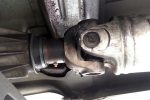
According to the defect report, the routing of the transmission wiring harness in certain 2020 GLC-Class (253 platforms) 4-Matic vehicles may not meet current production specifications. Due to deviations in the wiring harness length and the assembly process, the harness could come in contact with the front drive shaft and damage it over time. If this happens, drivers could experience a loss of propulsion and an increased risk of an accident. If the failure occurs, the driver would be made aware through a warning message in the instrument cluster.

Owners receiving notices will be asked to return to their dealers to have the transmission wiring harness inspected and replaced as necessary. The NHTSA campaign number for this recall is 22V-494.

An investigation into reports of water intrusion into the passenger compartment of certain 2020-2021 Mercedes Benz GLE and GLS, cars and SUVs has led to a recall of over 6,000 vehicles. Owner notifications are expected to be mailed out in June.

According to the defect report, at the end of May 2019 Mercedes Benz launched an investigation into customer complaints of water intrusion into the driver and passenger side foot wells of certain GLE and GLS vehicles. The investigation revealed a deviation in the assembly process of the air conditioner drain hoses that would allow the drain hose to disconnect and condensation to enter the passenger compartment. If a significant volume of condensation enters, it could cause corrosion and/or short circuits to electrical components.

NOTE: Drivers may experience problems with door locks and the vehicles emergency call (eCall) feature; the engine may not start or may enter limp-home mode. Sings that the problem exists include wet carpets in the front foot wells and fogged windows.

Vehicles Affected Include
2020 GLE350
2020 GLE450
2020 GLE580
2020 GLS450
2020 GLS580
2021 AMG GLE53

Dealers will inspect and correct the installation of the air conditioner drain hoses, as necessary. The NHTSA recall Campaign Number is 21V-288.

Mercedes Benz will be contacting the owners of certain 2019-2020 AMG G63 and G550 vehicles because they could contain a differential locking module control unit that does not meet the current production specifications.

According to the defect report, a resistor on the board could be affected by the sulfur fumes from the axle oil. If the resistor is impaired, the electrical current could increase and cause communications between the control unit and the locking actuator to be shut down. Both ESP and ABS system would be deactivated, increasing the risk of a crash under certain conditions. Drivers will be alerted of a problem through an illumined ABS and ESP message in the instrument panel.

Dealers will inspect the differential locking modules and replace them as necessary. The NHTSA Campaign Number for this recall is 20V-090.

Last month, an important case, for the first time put manufacturers on the hook for sales of used vehicles with problems beginning outside of the original manufacturer’s warranty, but still within the Certified Pre-Owned warranty. It has been unclear for years whether a manufacturer was required to buy back a used vehicle when the problems occurred after the original warranty expired.  As long as the problems still occur during the CPO warranty, they’re subject to the lemon law.  On the caveat, if the vehicle wasn’t purchased as a Certified Pre Owned vehicle, the manufacturer is off the hook if the problem occurs for the first time outside of the original warranty.  The concern with this case, if any, would be that the Certified Pre-Owned program given by all manufacturers may be canceled since the manufacturers don’t want the added responsibility.

The case involves the sale of a certified preowned Mercedes Benz that still had a portion of the new vehicle warranty remaining and an additional used vehicle warranty from the manufacturer. An un-repairable defect manifested after the expiration of the new vehicle warranty, but during the duration of the used vehicle warranty. Mercedes Benz refused to repurchase the vehicle. The plaintiff sued and a jury found Mercedes Benz liable under the Song Beverly Act for breach of the express warranty and the implied warranty of merchantability. The plaintiff was awarded the same compensatory damages on both causes of action.

Click Here to read a transcript of the case.

Daimler will be contacting the owners of certain 2015-2019 Mercedes Benz rear drive model vehicles for a problem affecting the steering. The vehicles affected by this recall include:

  • 2015-2019 Mercedes Benz C300
  • 2018-2019 Mercedes Benz C350E
  • 2017-2019 Mercedes Benz C63 AMG
  • 2015, 2018 Mercedes Benz C63S AMG
  • 2019 Mercedes Benz CLS450
  • 2018 Mercedes Benz E300
  • 2018 Mercedes Benz E400
  • 2019 Mercedes Benz E450

According to the defect report, a production deviation of the rear wheel drive steering rack lock nut could result in internal material cracks that reduce the nuts strength. If a large lateral force, such as hitting a curb could cause the lock nut to break and the steering to become fixed in one position. There is no advanced warning that the lock nut could fail.

Owners receiving recall notices will be asked to return to their dealerships to have the steering rack replaced.