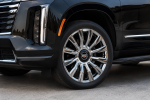
Owners of several popular full-size GM SUVs may soon receive a recall notice tied to a potentially serious wheel hub safety issue. General Motors has announced a new safety recall affecting certain 2025–2026 luxury and SUV models equipped with 24-inch wheels after discovering that incorrect bolts may have been installed on the front wheel hubs.

The recall has been assigned NHTSA Campaign Number 26V-304 and impacts approximately 2,464 vehicles across the United States.

What Is the Problem?

According to GM, some affected vehicles may have been serviced using incorrect front wheel hub bolts. The issue specifically involves vehicles equipped with 24-inch wheels where dealers may have reused production-installed bolts during installation of an accessory brake package or while servicing front wheel hub bearings.

Over time, these incorrect bolts can loosen, deform, or potentially break.

If one bolt loosens or fails while driving, excessive stress can be transferred to the remaining bolts. In severe cases, this could lead to partial loss of vehicle control and increase the risk of a crash.

GM states that the problem originated from incorrect service information and accessory brake kit instructions that failed to specify unique fasteners required for vehicles equipped with 24-inch wheels.

Vehicles Included in Recall 26V-304

The following vehicles may be affected:

  • Cadillac Escalade
  • Cadillac Escalade ESV
  • Chevrolet Suburban 1500
  • Chevrolet Tahoe
  • GMC Yukon
  • GMC Yukon XL

Only certain vehicles equipped with 24-inch wheels are included in the recall population.

Warning Signs Drivers May Notice

GM says drivers of affected vehicles could experience symptoms before a failure occurs, including:

  • Noise coming from the front wheel area
  • Vibration felt through the steering wheel or chassis
  • Unusual wheel hub movement or instability

Drivers noticing these symptoms should have their vehicle inspected immediately.

How GM Discovered the Issue

GM’s investigation began in April 2026 after a product investigator identified that accessory brake package kits (RPO 5JL) lacked separate instructions and special fasteners required for vehicles equipped with 24-inch wheels.

The automaker also discovered that its electronic parts catalog (EPC) failed to identify the proper replacement bolts during front hub bearing service procedures.

GM received seven field complaints potentially related to this condition between January 2025 and April 2026. Despite the complaints, GM reports that it is not aware of any crashes or injuries connected to the defect.

On May 7, 2026, GM’s Safety Field Action Decision Authority (SFADA) approved a formal safety recall.

What Dealers Will Do

To correct the issue, GM dealers will:

  • Inspect affected vehicles
  • Replace the front left and right wheel hub bolts with the correct parts

Owner notification letters are expected to begin mailing on June 29, 2026.

Recall Information

  • NHTSA Campaign Number: 26V-304
  • GM Recall Number: N262554630
  • Vehicles Potentially Affected: 2,464

General Motors has issued a serious safety recall and “Do Not Drive” warning affecting a small number of 4WD and AWD Cadillac, Chevrolet, and GMC vehicles after discovering a defect that could cause the front or rear wheels to lock up without warning while driving.

The issue centers around defective transfer case assemblies that may have been built without a critical oil pickup tube — a component necessary to properly lubricate internal bearings inside the transfer case. Without lubrication, the transfer case can fail suddenly, potentially causing wheel lock-up and increasing the risk of a crash.

Which GM Vehicles Are Affected?

The recall impacts certain:

  • 2026 Cadillac Escalade
  • 2026 Cadillac Escalade ESV
  • 2026 Chevrolet Silverado 1500
  • 2026 Chevrolet Suburban
  • 2026 Chevrolet Tahoe
  • 2026 GMC Sierra 1500
  • 2026 GMC Yukon
  • 2026 GMC Yukon XL

The recall also includes certain 2015–2020 model year:

  • Chevrolet Suburban
  • Chevrolet Tahoe
  • Cadillac Escalade
  • Cadillac Escalade ESV
  • GMC Yukon
  • GMC Yukon XL

Only vehicles equipped with four-wheel drive (4WD) or all-wheel drive (AWD) are affected. Rear-wheel-drive-only vehicles do not use the same transfer case and are not included in the recall.

What Is Causing the Wheel Lock-Up Problem?

According to GM’s defect report, the issue stems from manufacturing errors at a supplier facility during assembly line process changes.

GM says standardized assembly procedures and quality control protocols were not properly followed, allowing some transfer case assemblies to leave the factory without the oil pickup tube installed. Normally, built-in error-proofing systems would detect and reject incomplete assemblies, but those safeguards were bypassed.

Without the oil pickup tube:

  • Transfer case bearings may not receive proper lubrication.
  • Internal components can overheat or seize.
  • The transfer case can fail suddenly.
  • Front and/or rear wheels may lock up while driving.

Drivers May Hear Grinding Noises Before Failure

GM says some drivers may notice a grinding sound before the wheels lock up. However, the wheel lock-up could also occur with little or no warning.  A sudden wheel lock-up at highway speeds could result in loss of vehicle control and significantly increase the risk of a crash.

How GM Discovered the Problem

The issue first came to light on April 14, 2026, when a GM engineer submitted a report through the company’s Speak Up For Safety (SUFS) program after reviewing a failed transfer case from a 2026 Chevrolet Silverado 1500 that experienced wheel lock-up in a parking lot.

A teardown inspection revealed the transfer case was missing the oil pickup tube entirely.

GM officially opened a product investigation on April 17, 2026.

Using supplier end-of-line torque testing data, GM identified:

  • 68 suspect transfer case assemblies
  • 46 assemblies installed in 2026 production vehicles
  • 1 suspect service replacement transfer case shipped for repairs involving older 2015–2020 vehicles
  • 54 dealerships that may have received the suspect replacement parts
  • 21 vehicles that may have received defective replacement transfer cases during service repairs

GM’s investigation identified four field complaints potentially related to the defect. At this time, GM says it is not aware of any crashes or injuries linked to the issue.  GM’s Safety Field Action Decision Authority approved the recall on April 30, 2026.

What Owners Should Do

GM is urging affected owners not to drive their vehicles until the recall inspection and repair have been completed. Owner notification letters are expected to begin mailing on June 22, 2026.

Recall Information

  • GM Recall Number: N262557620
  • NHTSA Campaign Number: 26V-289

NHTSA Campaign Number: 26V-085

Owners of certain 2022 Cadillac, Chevrolet, and GMC full-size SUVs should be aware of an important new safety recall involving a potentially dangerous transmission defect. According to the National Highway Traffic Safety Administration (NHTSA), a problem with the transmission control valve in affected vehicles may cause the rear wheels to lock while driving, significantly increasing the risk of a crash.

This recall affects several of General Motors’ most popular SUV models equipped with a 10-speed automatic transmission and Electronic Transmission Range Select (ETRS) system.

Vehicles Affected by Recall 26V-085

The recall applies to the following 2022 model year vehicles:

  • Chevrolet Tahoe
  • Chevrolet Suburban
  • GMC Yukon
  • GMC Yukon XL
  • Cadillac Escalade
  • Cadillac Escalade ESV

Only vehicles equipped with the 10-speed transmission with ETRS and built within a specific production window are included.

What Is the Transmission Control Valve Problem?

General Motors determined that a defect related to motor vehicle safety may exist in certain vehicles due to excessive wear inside the transmission control valve body.

Over time, internal components of the valve may wear prematurely, which can lead to:

  • Loss of hydraulic pressure inside the transmission
  • Unexpected valve movement
  • Harsh or abnormal shifting behavior

In rare situations, this condition may cause the rear wheels to momentarily lock — or remain locked until the vehicle stops.

Why This Defect Is Dangerous

Rear wheel lockup while driving can cause a driver to lose control of the vehicle, particularly at highway speeds or during turns.

According to the NHTSA:

If the rear wheels lock up while driving, there is an increased risk of a crash.

GM is aware of at least one reported crash potentially linked to this issue, though no injuries have been reported.

Warning Signs Drivers May Notice

Drivers may experience warning symptoms before a serious failure occurs. These include:

  • Harsh or rough shifting
  • Sudden or aggressive downshifts
  • Unusual transmission behavior

However, because the defect involves internal wear, symptoms may develop gradually and may not always provide sufficient warning before a lockup event.

What Caused the Problem?

GM’s investigation found that transmissions manufactured between April 2022 and September 2022 contained unique internal hardware that may accelerate wear inside the transmission control valve.  Additionally, affected vehicles were not equipped with diagnostic software capable of detecting early valve wear.

Excessive wear can create a fluid leak inside the valve body, causing a pressure drop that allows internal transmission valves to move unexpectedly — leading to wheel lockup in extreme cases.

How the Recall Was Discovered

The issue came to light after a customer reported a transmission lockup through GM’s internal Speak Up for Safety (SUFS) reporting system on November 5, 2025. The incident allegedly caused a loss of vehicle control and a collision with a guardrail.  GM opened a formal investigation later that month and reviewed field data spanning nearly two years.  Investigators identified 13 field reports potentially related to the condition between November 2023 and October 2025, with 12 involving the affected 2022 SUV models.

On February 5, 2026, GM officially authorized a safety recall.

Recall Remedy: What Dealers Will Do

To correct the problem, GM dealers will:

  • Install updated Transmission Control Module (TCM) software
  • Improve monitoring of valve performance and wear
  • Perform repairs

Owner notification letters are expected to be mailed beginning March 30, 2026.  GM Recall Number: N252536750 ; NHTSA Campaign Number: 26V-085.

What Owners Should Do Now

If you own one of the affected vehicles:

  1. Watch for recall notification letters in the mail.
  2. Contact your local GM dealership to confirm recall eligibility.
  3. Schedule the software update as soon as possible.
  4. Pay attention to harsh shifting or unusual transmission behavior and seek service immediately if symptoms appear.

Final Thoughts

Full-size SUVs like the Tahoe, Yukon, and Escalade are often used for family transportation and long-distance travel, making drivetrain reliability especially important. While GM reports that rear wheel lockup events are rare, the potential safety risk is significant enough to warrant immediate attention.  If your vehicle is included in Recall 26V-085, scheduling the repair promptly is the safest course of action.

If you drive a Cadillac Escalade, Chevrolet Tahoe, Suburban, Silverado 1500, GMC Yukon, or Sierra 1500, you may have already seen a Check Engine Light related to a coolant control valve problem.
Many 2021–2023 GM vehicles—especially those equipped with the 3.0L Duramax diesel (LM2 or LZ0)—have been affected by failures of the engine coolant control valve, sometimes called the engine coolant flow control valve.

This part plays a crucial role in regulating coolant flow to help the engine maintain proper operating temperature. When it fails or sticks, it can cause check-engine lights, overheating, and even high-speed radiator fan operation after the engine is turned off.

What the Issue Is

The engine coolant control valve manages how coolant circulates through the radiator and engine. When it fails, owners often report one or more of these diagnostic trouble codes (DTCs):

  • P1098Coolant Control Valve Performance (common on 3.0L Duramax models; fans may run at high speed even after the key is off)
  • P26BB / P2B60Coolant Flow Control Valve Position/Learn Faults

These codes can trigger the Check Engine Light (MIL) and may cause excessive fan noise or poor temperature regulation.

Vehicles Involved

GM lists the following vehicles as potentially affected:

  • 2021–2023: Cadillac Escalade, Chevrolet Tahoe / Suburban, GMC Yukon / Yukon XL
  • 2021–2022: Chevrolet Silverado 1500, GMC Sierra 1500

The issue is most prevalent in vehicles with the 3.0L Duramax diesel engine (LM2 or LZ0), but can appear in some gasoline variants as well.

What GM Told Dealers to Do

General Motors has released several Technical Service Bulletins (TSBs) and Preliminary Information (PI) documents to guide technicians:

  • 22-NA-082 (April 2022) – Software programming update for vehicles displaying P1098 / P26BB / P2B60 codes.
  • PIP5791A (January 2022) – Directs technicians to command the valve open and closed multiple times to verify function before replacement.
  • Earlier PI (2019 → carried forward) – Replace the valve and perform a relearn if previous codes were logged and diagnostics confirm failure.
  • 21-NA-271 (August 2023) – Advises checking for kinked cooling hoses that can cause similar fault codes before replacing the valve.

Special Coverage Program for 3.0L Duramax Models

In September 2025, GM announced a Special Coverage Program for the coolant control valve affecting certain 3.0L Duramax models.

  • Coverage up to 15 years / 150,000 miles (240,000 km) from the vehicle’s in-service date
  • Applies to Silverado 1500, Sierra 1500, and full-size SUVs equipped with 3.0L Duramax engines
  • Covers replacement of the coolant control valve and related programming if diagnostics confirm failure.
  • Program IDs: N252508340 and N252508341

What Owners Should Do

  1. Get the codes read – Look specifically for P1098, P26BB, or P2B60.
  2. Visit your GM dealer – Mention TSB 22-NA-082 and Special Coverage N252508340/N252508341.
  3. Ask for a diagnostic and repair under warranty coverage if applicable.

California Lemon Law: Repeated Coolant Valve Problems Could Mean Your Vehicle Is a Lemon

If your GM SUV or truck has been in the shop multiple times for the repeated issues—or has been out of service for an extended period due to repeated repairs—you may have additional protection under the California Lemon Law (formally the Song-Beverly Consumer Warranty Act).

When Lemon Law Might Apply

You may qualify if:

  • The vehicle is still under the manufacturer’s warranty (including extended “special coverage” programs).
  • The dealer has attempted several repairs for the same problem without success.
  • The issue substantially impairs the vehicle’s use, value, or safety (for example, repeated overheating or engine cooling failure).
  • The vehicle has spent a significant number of days in the shop for warranty-related repairs.

If those conditions apply, California law may require GM to repurchase or replace your vehicle.

How to Take Action

  1. Keep records of all service visits, repair orders, and communication with your dealer.
  2. Request a copy of your vehicle’s repair history and diagnostic codes.
  3. Consult a California Lemon Law attorney or consumer-protection advocate if your issue persists after repeated repairs.

(Tip: Lemon Law claims can often be handled at no cost to the consumer—attorney fees are typically paid by the manufacturer if you prevail.)

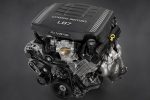
If you drive a Chevrolet Silverado, GMC Yukon, or Cadillac Escalade equipped with the 6.2L V8 engine (RPO L87), your vehicle may be at risk of sudden engine failure due to defective engine components. (Safety Recall N252494001 and NHTSA campaign number 25V-274)

Vehicles Affected by the Recall

  • Chevrolet: Silverado 1500, Suburban, Tahoe (2021–2024)
  • GMC: Sierra 1500, Yukon, Yukon XL (2021–2024)
  • Cadillac: Escalade, Escalade ESV (2021–2024)

Over 600,000 GM vehicles are included in this recall.

The Engine Defect Explained

The recall stems from manufacturing defects in the connecting rods and crankshaft, which may include:

  • Sediment in connecting rods and crankshaft-oil galleries
  • Crankshaft dimension issues
  • Improper surface finishing

These defects can lead to engine failure, posing a serious safety risk.

Potential Dangers and Symptoms

According to GM, drivers may notice warning signs before total engine failure, including:

  1. Unusual Engine Noises – Knocking, banging, or metallic sounds
  2. Check Engine Light – Illumination of the dashboard warning light
  3. Performance Problems:
    • Hesitation or stumbling during acceleration
    • High or unusual RPMs
    • Abnormal or rough shifting
    • Reduced propulsion or loss of power
    • No-start condition (engine fails to start)

If the engine fails while driving, drivers may lose propulsion, significantly increasing the risk of a crash. GM has already linked the defect to 12 potential crashes and 12 reported injuries in the U.S.

The Official GM Remedy

General Motors dealers will inspect affected vehicles. Depending on results, remedies include:

  • Higher Viscosity Oil – Offers added protection against component wear
  • New Oil Fill Cap & Oil Filter Replacement
  • Owner’s Manual Insert – Updated guidance for owners

Is My Vehicle Safe to Drive?

While GM notes that the condition does not affect braking or cause an abrupt stop, an engine failure during operation will cause a loss of propulsion, requiring drivers to coast and maneuver to the side of the road. This can create a serious safety hazard.

Until recall repairs are complete, GM advises owners to stay alert for unusual engine noises, warning lights, and changes in performance.

California Lemon Law: Your Rights as a Consumer

If you’re a California resident and your Chevrolet, GMC, or Cadillac has been in the shop multiple times for the same issue, or if you’ve lost significant time without your vehicle, you may qualify for relief under the California Lemon Law.

Lemon law protections may entitle you to a:

  • Buyback (refund)
  • Vehicle replacement
  • Cash compensation

Our experienced California Lemon Law attorneys can guide you through the process and ensure you receive the compensation you deserve.

What to Do If Your Vehicle is Affected

  1. Schedule a Dealer Inspection – Don’t wait until your engine fails; get ahead of the issue.
  2. Document All Repairs and Symptoms – Keep records for potential lemon law claims.
  3. Call for a Free Case Review – If you’ve had repeated problems, call 1-866-785-4477 for a free California Lemon Law consultation.

Final Thoughts

The 6.2L V8 engine defect in GM vehicles is a serious safety concern affecting hundreds of thousands of drivers. If you own a 2021–2024 Chevrolet Silverado, Suburban, Tahoe, GMC Sierra, Yukon, or Cadillac Escalade, don’t wait for the engine to fail — take action now to protect your safety and your rights.


Free Case Review: Contact our California Lemon Law attorneys today at 1-866-785-4477 or fill out our online form at the top of the page to learn if your GM vehicle qualifies for a buyback, replacement, or compensation.

If you drive a Chevy Silverado or Tahoe, a GMC Yukon, or a Cadillac Escalade, you may have already heard some rumblings about a major recall involving General Motors’ 6.2L V8 engine. The problem is serious — and if you’re in California, it could also mean you have rights under the California Lemon Law.

What’s the issue?

GM is recalling over 600,000 vehicles from model years 2021 through 2024 because of a defect in the connecting rods and crankshafts. These parts can fail suddenly and without warning, leading to complete engine failure. It’s not the kind of thing you want to find out about when you’re halfway to Los Angeles in the summer heat.

Who’s affected?

The recall covers:

  • 2021–2024 Chevrolet Silverado, Tahoe, Suburban
  • 2021–2024 GMC Sierra, Yukon, Yukon XL
  • 2021–2024 Cadillac Escalade, Escalade ESV

Dealerships are expected to begin sending out notification letters starting June 9, 2025. GM has stated they’ll either repair or replace the engine — no cost to you.

Why it matters under California Lemon Law

California has one of the strongest Lemon Laws in the country. If your vehicle has had ongoing problems or has spent a significant amount of time in the shop, you may qualify for a buyback, replacement, or compensation — especially when the issue is related to a serious safety defect like engine failure.

Even if your engine hasn’t failed yet, if you’ve had multiple repairs or long service delays related to drivability or performance, it’s worth exploring your options.

What to do now:

  • Keep an eye out for a recall notice.
  • If your vehicle has already experienced engine trouble, gather your repair records.
  • Don’t wait to talk to a Lemon Law professional if you’ve been back and forth to the dealer or you’ve lost confidence in your vehicle.

You don’t have to fight a manufacturer on your own. California’s laws are there to protect you — and in most cases, the manufacturer covers your legal costs.

If you’re concerned about your vehicle’s engine defect or have questions about your rights under the California Lemon Law, Call Now for a FREE Case Review 888-395-3666 or fill in the contact form at the top of the page. Our experienced team is here to help you navigate the process and ensure you receive the compensation you deserve. Don’t wait – take action today to protect your rights as a California consumer!

General Motors LLC (GM) has determined that certain 2021-2024 GM vehicles equipped with a 6.2L V8 gas engines could experience engine failure problems. The issue is caused by manufacturing defects in the connecting rod and/or crankshaft engine components, which can lead to engine damage and failure.

Affected Vehicles

The following GM vehicles are affected by this recall:

  • Cadillac Escalade (2021-2024)
  • Cadillac Escalade ESV (2021-2024)
  • Chevrolet Silverado 1500 (2021-2024)
  • Chevrolet Suburban (2021-2024)
  • Chevrolet Tahoe (2021-2024)
  • GMC Sierra 1500 (2021-2024)
  • GMC Yukon (2021-2024)
  • GMC Yukon XL (2021-2024)

The Problem

GM’s investigation found that the connecting rod and/or crankshaft engine components in these vehicles may have manufacturing defects, including:

  1. Rod-bearing damage from sediment on connecting rods and crankshaft-oil galleries
  2. Out of specification crankshaft dimensions and surface finish

These issues can cause or contribute to bearing damage, leading to loss of propulsion and engine failure.

Warning Signs

Drivers may be alerted to the condition prior to failure by:

  • Unusual engine noises (knocking, banging, etc.)
  • Illumination of the check engine light
  • Engine-performance issues, including:
    • Hesitation
    • High RPMs
    • Abnormal shifting
    • Reduced propulsion
    • No-start condition

Consequences of Engine Failure

If the engine fails during vehicle operation, the vehicle will lose propulsion, increasing the risk of a crash. In fact, GM has identified 12 potentially related alleged crashes and 12 potentially related alleged injuries in the U.S.

Recall Repair

Dealers will inspect the engine and, as necessary, repair or replace it. For vehicles that pass inspection, dealers will:

  • Add higher viscosity oil
  • Install a new oil fill cap
  • Replace the oil filter
  • Update the owner’s manual

Recall Details

  • GM’s recall number: N252494000
  • NHTSA campaign number: 25V-274
  • Owner notification letters are expected to be mailed on June 9, 2025

If you receive a notice saying your vehicle is affected, it is essential to take immediate action and contact your local dealer to schedule a repair. Remember to always monitor your vehicle’s performance and watch for any warning signs of engine failure.

A shocking number of complaints has prompted the National Highway Traffic Safety Administration (NHTSA) to launch a safety probe into engine failure reports affecting approximately 870,000 Chevrolet, GMC, and Cadillac models manufactured by General Motors (GM). The Office of Defects Investigation (ODI) has received a staggering 39 complaints, accompanied by numerous Early Warning Reporting (EWR) Field Reports, all pointing to engine failure in vehicles equipped with the L87 V8 engine.

Which Vehicles Are Affected?

The following models are under scrutiny:

  • 2019-2024 Chevrolet Silverado 1500
  • 2019-2024 GMC Sierra 1500
  • 2021-2024 Chevrolet Tahoe
  • 2021-2024 Chevrolet Suburban
  • 2021-2024 GMC Yukon
  • 2021-2024 Cadillac Escalade

The Alarming Reality of Engine Failure

Complainants have reported a disturbing trend: a bearing failure can trigger either engine seizure or a catastrophic breach of the engine block by the connecting rod. In many cases, there are no warning signs before the failure occurs, resulting in a sudden and unexpected loss of power. This increases the risk of a crash, which can lead to devastating consequences, including injuries and property damage.

NHTSA Takes Action

In response to these disturbing reports, the ODI has initiated a Preliminary Evaluation (PE) to determine the scope and severity of the potential problem. The investigation aims to assess the safety-related issues associated with engine failure and identify any necessary corrective actions to prevent future incidents.

What California Drivers Need to Know

If you’re behind the wheel of one of these affected vehicles, it’s crucial to be aware of this potential issue. Engine failure can be a significant safety concern, especially when driving at high speeds. Don’t wait until it’s too late – stay informed and take proactive steps to protect yourself and your loved ones.

Seeking Help from a California Lemon Law Expert

If you’re experiencing engine problems or other issues with your Chevy, GMC, or Cadillac vehicle, don’t hesitate to reach out to our experienced California Lemon Law attorneys. Our team is dedicated to helping you navigate the complex process and determine if you’re eligible for compensation or relief under the law. If you have concerns about your vehicle or would like to report an incident, consult with a California Lemon Law attorney for expert guidance and support.