
The National Highway Traffic Safety Administration (NHTSA) has expanded its investigation into reports of brake system failures affecting numerous General Motors vehicles, along with certain Honda and Acura models built by GM. The investigation, now designated Engineering Analysis EA26006, focuses on reports of a sudden loss of brake assist that could increase stopping distances and the risk of a crash.

What Is the Issue?

The investigation began after owners of 2023 Cadillac Lyriq vehicles reported experiencing:

  • A hard brake pedal
  • “Brake System Failure” warning messages
  • Loss of brake assist during startup or while driving

According to GM, some failures may be caused by an internal fracture in the vehicle’s electronic eBoost brake system. The company says drivers should receive warning messages and that the vehicle may limit its speed to approximately 70 km/h (43 mph).

However, NHTSA has continued receiving reports suggesting some vehicles lose brake assist immediately during braking, rather than only after coming to a stop. If true, this could significantly increase stopping distance in an emergency.

Vehicles Included

The investigation now includes numerous models equipped with the same eBoost braking system, including:

  • Cadillac Lyriq, Celestiq, and Optiq
  • Buick Enclave and Envision
  • Chevrolet Colorado, Blazer EV, Equinox EV, and Traverse
  • GMC Canyon and Acadia
  • Honda Prologue
  • Acura ZDX

What Does This Mean?

An Engineering Analysis is one of the final stages before NHTSA decides whether a safety recall may be necessary. Investigators will continue reviewing complaints, engineering data, and failed components to determine whether the braking system presents a safety defect.

What Should Owners Do?

If your vehicle displays brake system warnings or you notice a hard brake pedal or reduced braking performance, have it inspected promptly and keep copies of all repair records.  Repeated brake-related repairs may qualify for relief under your state’s lemon law if the manufacturer cannot successfully fix the problem. Depending on your state’s laws, you may be entitled to a vehicle buyback, replacement, or other compensation.

The National Highway Traffic Safety Administration (NHTSA) has opened Engineering Analysis EA26005 to investigate reports of continued engine failures in General Motors vehicles equipped with the L87 6.2L V8 engine, even after recall repairs were completed.

The investigation follows concerns that the remedy provided under Recall 25V-274 may not be preventing engine failures in all affected vehicles.

Vehicles Included in the Investigation

The investigation covers the following vehicles equipped with the L87 V8 engine:

  • 2021–2026 Cadillac Escalade
  • 2021–2026 Cadillac Escalade ESV
  • 2021–2026 Chevrolet Silverado 1500
  • 2021–2024 Chevrolet Suburban
  • 2025–2026 Chevrolet Suburban 1500
  • 2021–2026 Chevrolet Tahoe
  • 2021–2026 GMC Sierra 1500
  • 2021–2026 GMC Yukon
  • 2021–2026 GMC Yukon XL

Why Is NHTSA Investigating?

GM’s Recall 25V-274 addressed certain L87 engines manufactured between March 1, 2021, and May 31, 2024. According to GM, the issue stemmed from a supplier manufacturing and quality problem.

Depending on inspection results, dealers performed one of two repairs:

  • An engine oil viscosity change, or
  • A complete engine replacement.

Despite these repairs, NHTSA says it continues to receive reports of engines failing after the recall work was completed.

What Has NHTSA Found?

To date, NHTSA has received 499 complaints involving post-recall engine failures, including:

  • 473 vehicles that received the oil viscosity change.
  • 26 vehicles that received a replacement engine.

In addition, investigators have received 191 reports of L87 engine failures in engines built after the production period covered by the original recall. GM has also reported receiving 6,953 complaints involving engine failures after recall repairs.

These reports have prompted NHTSA to broaden its investigation beyond the engines originally covered by the recall.

What Happens Next?

NHTSA has expanded the investigation to include newer L87 engines built outside the original recall period. During this Engineering Analysis, investigators will review additional failures and determine whether further action—including an expanded recall or additional remedies—may be necessary.

What Should Owners Do?

Owners of any of the vehicles listed above should pay close attention to symptoms that could indicate engine trouble, including:

  • Engine knocking or unusual noises
  • Loss of power
  • Engine stalling
  • Engine seizure
  • Check engine light accompanied by drivability issues

If your vehicle experiences any of these symptoms—even if it has already received recall repairs—it should be inspected as soon as possible. Keep copies of all repair orders, diagnostic reports, and communications with the dealership.

If repeated engine failures continue despite repair attempts, you may have rights under your state’s lemon law. Depending on the laws in your state, you could be entitled to a vehicle buyback, replacement, or other compensation if the manufacturer cannot permanently correct the defect.

The National Highway Traffic Safety Administration (NHTSA) has closed a petition requesting a formal safety investigation into reports of all-wheel drive (AWD) failures affecting certain Acura TLX and MDX vehicles. While the agency acknowledged that the reported mechanical failure is real, it concluded there is currently insufficient evidence to classify it as a safety-related defect requiring a formal investigation or recall.

Which Vehicles Are Affected?

The petition involved:

  • 2021–2023 Acura TLX equipped with Super Handling All-Wheel Drive (SH-AWD)
  • 2022–2023 Acura MDX equipped with SH-AWD

According to the petition, a mechanical failure inside the drivetrain can prevent power from being sent to the rear wheels, effectively turning the vehicle into front-wheel drive only.

What Is Failing?

The reported issue involves the splined connection between the front transaxle and the Power Take-Off Unit (PTU). Over time, these splines can shear or strip, permanently disconnecting the rear drivetrain.

When this happens:

  • The vehicle loses all rear-wheel drive capability.
  • Power is sent only to the front wheels.
  • The failure is permanent until repaired.

Interestingly, many owners reportedly did not realize anything had failed until driving on snow, ice, or another slippery surface where AWD traction would normally be expected.

Why Did Owners Want an Investigation?

The petition argued that losing AWD could reduce directional control and create a safety risk, particularly in poor weather conditions. The concern was heightened because Acura’s SH-AWD information display may continue to indicate that torque is being delivered to the rear wheels—even after the mechanical connection has completely failed. In other words, drivers may believe their AWD system is functioning normally when it is not.

What Did NHTSA Find?

NHTSA’s Office of Defects Investigation reviewed:

  • 62 consumer complaints (Vehicle Owner Questionnaires)
  • Manufacturer field reports
  • Technical information about the SH-AWD system

The agency confirmed that the spline failure does occur and results in the permanent loss of torque to the rear axle.

However, investigators also found:

  • The vehicles continue to operate normally as front-wheel drive vehicles.
  • There is no loss of engine power.
  • Vehicle Stability Assist (VSA) and traction control remain fully operational.
  • The steering and braking systems continue to function normally.

Most importantly, NHTSA found no evidence that the failure causes drivers to lose control of the vehicle.

Why Was the Petition Denied?

NHTSA determined that Acura’s SH-AWD system is primarily a performance-enhancing feature rather than a critical stability system. Unlike some traditional AWD systems that are necessary for maintaining mobility after drivetrain failures, these Acura models are fundamentally designed as front-wheel drive vehicles. Because of that, the agency concluded that losing rear-wheel drive affects vehicle performance rather than basic vehicle safety.

The investigation also found:

  • No reported crashes linked to the failure.
  • No reports of loss of motive power.
  • No documented injuries resulting from the condition.

Without evidence that the defect creates an unreasonable safety risk, NHTSA declined to open a formal defect investigation.

Does This Mean There Isn’t a Problem?

Not necessarily. NHTSA specifically stated that closing the petition does not mean a safety defect does not exist. Instead, it means the agency currently lacks sufficient evidence that the issue presents an unreasonable safety risk under federal safety standards. The agency also noted that it may reopen the matter if future complaints, crashes, or additional evidence emerge.

What Should Acura Owners Do?

If you own one of the affected Acura models, it is worth paying attention to any changes in how your vehicle performs, particularly during wet, snowy, or icy driving conditions.

Potential warning signs may include:

  • Reduced traction on slippery roads
  • Difficulty accelerating in snow
  • Unexpected front-wheel spin
  • Service messages related to the AWD system

Because the SH-AWD display may continue to indicate normal operation even after the drivetrain has failed, routine inspections by a qualified technician may be the only way to identify the problem before winter driving exposes it.

The Bottom Line

The reported SH-AWD spline failure is a genuine mechanical issue that can disable the rear-wheel drive system in certain Acura TLX and MDX models. However, after reviewing dozens of owner complaints and technical evidence, NHTSA concluded there is not enough evidence to show that the condition creates an unreasonable safety risk warranting a formal defect investigation.

For now, no recall has been issued, but the issue remains on NHTSA’s radar. Owners experiencing AWD performance problems should have their vehicle inspected promptly and consider reporting the issue to NHTSA, as additional reports could influence future agency action.
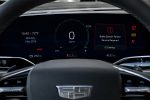
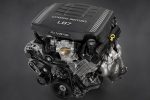
A shocking number of complaints has prompted the National Highway Traffic Safety Administration (NHTSA) to launch a safety probe into engine failure reports affecting approximately 870,000 Chevrolet, GMC, and Cadillac models manufactured by General Motors (GM). The Office of Defects Investigation (ODI) has received a staggering 39 complaints, accompanied by numerous Early Warning Reporting (EWR) Field Reports, all pointing to engine failure in vehicles equipped with the L87 V8 engine.

Which Vehicles Are Affected?

The following models are under scrutiny:

  • 2019-2024 Chevrolet Silverado 1500
  • 2019-2024 GMC Sierra 1500
  • 2021-2024 Chevrolet Tahoe
  • 2021-2024 Chevrolet Suburban
  • 2021-2024 GMC Yukon
  • 2021-2024 Cadillac Escalade

The Alarming Reality of Engine Failure

Complainants have reported a disturbing trend: a bearing failure can trigger either engine seizure or a catastrophic breach of the engine block by the connecting rod. In many cases, there are no warning signs before the failure occurs, resulting in a sudden and unexpected loss of power. This increases the risk of a crash, which can lead to devastating consequences, including injuries and property damage.

NHTSA Takes Action

In response to these disturbing reports, the ODI has initiated a Preliminary Evaluation (PE) to determine the scope and severity of the potential problem. The investigation aims to assess the safety-related issues associated with engine failure and identify any necessary corrective actions to prevent future incidents.

What California Drivers Need to Know

If you’re behind the wheel of one of these affected vehicles, it’s crucial to be aware of this potential issue. Engine failure can be a significant safety concern, especially when driving at high speeds. Don’t wait until it’s too late – stay informed and take proactive steps to protect yourself and your loved ones.

Seeking Help from a California Lemon Law Expert

If you’re experiencing engine problems or other issues with your Chevy, GMC, or Cadillac vehicle, don’t hesitate to reach out to our experienced California Lemon Law attorneys. Our team is dedicated to helping you navigate the complex process and determine if you’re eligible for compensation or relief under the law. If you have concerns about your vehicle or would like to report an incident, consult with a California Lemon Law attorney for expert guidance and support.

connecting rod defectThe National Highway Traffic Safety Administration (NHTSA) has launched an investigation into certain Acura and Honda vehicles due to reports of failing connecting rod bearings. This issue affects model year 2018-2020 Acura TLX, 2016-2020 Acura MDX, 2016-2020 Honda Pilot, 2018-2019 Honda Odyssey, and 2017-2019 Honda Ridgeline vehicles equipped with the 3.5 liter V6 engine.

What’s Happening?

The Office of Defects Investigation (ODI) has received 173 reports from vehicle owners about failing connecting rod bearings in these models. Although a recall (23V-751) was issued to address this type of failure, all 173 reports show failures that are consistent with those addressed in the recall but are not included in its scope.

Why is This a Concern?

The connecting rod bearing is a critical component in the engine, and its failure can lead to serious engine damage. If you own one of these vehicles, it’s essential to be aware of this potential issue.

What’s Being Done About It?

The ODI has opened an investigation (Recall Query RQ) to assess the severity of the alleged defect in vehicles not included in recall 23V-751. They will also review the scope of the recall to determine if it adequately addresses the problem.

What to Do Next

If you own one of these vehicles and have experienced a connecting rod bearing failure, it’s crucial to:

  1. File a report : Share your experience with the NHTSA by submitting a complaint on their website.
  2. Stay informed : Keep an eye on this investigation and any updates from the manufacturer or the NHTSA.

Your safety is paramount, and staying proactive can help prevent potential engine failures and keep you safe on the road.

Key Facts

  • Affected Vehicles: Certain Acura and Honda models (2018-2020 Acura TLX, 2016-2020 Acura MDX, 2016-2020 Honda Pilot, 2018-2019 Honda Odyssey, and 2017-2019 Honda Ridgeline)
  • Component: Connecting rod bearing
  • NHTSA Action Number: Recall Query (RQ)
  • Previous Recall: 23V-751

Remember, your vehicle’s safety is in your hands. Stay vigilant, and take action if you suspect any issues with your vehicle.

The National Highway Traffic Safety Administration (NHTSA) has launched an investigation into certain Ford Bronco and Maverick vehicles due to concerns with their electrical systems. The Office of Defects Investigation (ODI) opened a Preliminary Evaluation in January 2024 to investigate allegations of loss of motive power in model year 2021 Ford Bronco Sport vehicles.

What’s Happening?

In April 2024, Ford issued a safety recall (24V-267) covering 456,565 model year 2021-2024 Ford Bronco Sport and model year 2022-2023 Ford Maverick vehicles. The recall addressed occurrences of loss of motive power resulting from sudden degradation of the 12V battery during the drive cycle. When the battery failure occurs, consumers may experience a complete loss of engine power without the ability to restart, accompanied by the loss of 12V accessories, including hazard lights.

The Remedy

The recall remedy consists of software updates to the body control module and powertrain control module, which were designed to provide improved detection of the 12V battery state of charge during the drive cycle and provide warning to consumers if the battery is degraded.

New Concerns Arise

Despite the recall, the ODI has since received 15 reports from vehicle owners describing loss of motive power incidents for model year 2021 Ford Bronco Sport vehicles that received the 24V-267 recall remedy. Consumers describe that prior to the loss of motive power, there were no warnings related to the 12V battery or vehicle electrical system. Additionally, multiple consumers reported that after the vehicle was towed to the dealership following the loss of motive power, the event was diagnosed to the 12V battery, and a battery replacement was the only required repair.

What’s Being Done About It?

The NHTSA has opened an investigation (RQ24014) to further examine this issue. The agency will review the data and determine if additional action is necessary to ensure public safety.

What to Do Next

If you own one of these vehicles and have experienced a loss of motive power, it’s crucial to:

  1. File a report : Share your experience with the NHTSA by submitting a complaint on their website.
  2. Stay informed : Keep an eye on this investigation and any updates from the manufacturer or the NHTSA.

Your safety is paramount, and staying proactive can help prevent potential electrical system failures and keep you safe on the road.

Key Facts

  • Affected Vehicles: Certain Ford Bronco and Maverick models (2021-2024 Ford Bronco Sport and 2022-2023 Ford Maverick)
  • Component: Electrical System
  • NHTSA Action Number: RQ24014
  • Opened From: November 15, 2024–Present

The 2021 Nissan Rogue, one of Nissan’s popular compact SUVs, is currently under investigation by the Office of Defects Investigation (ODI) due to reports of safety defects. Two major concerns have emerged—one involving inner tie rod failures that could lead to a loss of steering control, and the other concerning engine failures that could result in a complete loss of motive power. These issues raise significant safety risks for drivers and passengers, and Nissan is facing increasing scrutiny as the investigations unfold.

Inner Tie Rod Failures: Loss of Steering Control

Nissan Rogue Tie Rod FailureOne of the top issues reported is inner tie rod failures, which can lead to a sudden and complete loss of steering control. The ODI received reports from owners and early warning data indicating that these failures can occur on either the driver’s or passenger’s side of the vehicle. In several instances, the vehicles had to be towed for repairs.

One notable case involved a 2021 Nissan Rogue owner who experienced a sudden and severe steering malfunction while pulling out of a parking lot. According to the owner, the steering wheel suddenly pulled to the right, causing the front passenger tire to become misaligned. The vehicle became undrivable, multiple warning lights illuminated, and it had to be towed to a dealership. Although the dealership diagnosed a bent tie rod and performed a repair, the steering wheel did not return to its normal position. The owner reported no impact that could have caused the damage, yet the manufacturer declined to cover the repair under warranty. This incident occurred with just over 16,600 miles on the vehicle, raising concerns about the durability and safety of the Rogue’s steering system.

This ongoing investigation into tie rod failures has raised serious concerns about the overall safety of the vehicle, as a sudden loss of steering control could lead to catastrophic accidents.

Engine Failures: Loss of Motive Power

In addition to the tie rod issue, the 2021 Nissan Rogue is also under investigation for engine failures that could lead to a complete loss of motive power. The ODI has identified multiple reports of engine knock, strange noises, and metal chunks or shavings found in the oil pan of vehicles equipped with Nissan’s KR15DDT and KR20DDET engines. The KR15DDT, a 1.5-liter 3-cylinder engine, is found in the Rogue, while the KR20DDET, a 2.0-liter 4-cylinder engine, powers other models such as the Altima, QX50, and QX55.

The variable compression ratio engines, designed to deliver both high power and fuel efficiency, have shown an elevated failure rate. These engine issues have been linked to bearing and L-link damage, which could lead to total engine failure, leaving drivers stranded or worse, in a dangerous situation while driving. Nissan has made manufacturing changes in an attempt to address these issues, but the investigation is still open as the company works to find a more permanent solution.

Alongside these investigations, the 2021 Nissan Rogue has been the subject of several recalls, addressing a variety of safety concerns:

  1. Missing Internal Bushing in Brake Calipers – This defect could lead to brake fluid loss, reducing braking performance and increasing the risk of a crash.
  2. Rear View Camera Malfunctions – The rearview camera display may become inoperative, reducing rear visibility and raising the risk of an accident.
  3. Seat Belt Retraction Issues – Some seat belts may not retract properly, making them difficult to use, which could increase the risk of injury in a crash.
  4. Fuel Pump Overheating – An overheated fuel pump can cause the engine to stall unexpectedly, posing a serious safety risk.
  5. Second Row Seatback Welding Issues – Improperly welded seatbacks may fail to secure a child seat, increasing the risk of injury in the event of a sudden stop or crash.
  6. Wheel Separation Risk – Incorrectly fitted wheel nuts could cause the wheel assembly to separate from the vehicle, which could result in a loss of vehicle control.
  7. Fuel Hose Detachment – A poorly secured fuel hose can disconnect, causing a fuel leak or engine stall, both of which increase the risk of fire or crash.

With ongoing investigations into tie rod and engine failures, as well as several recalls addressing safety concerns, the 2021 Nissan Rogue has been thrust into the spotlight for potential safety risks. Drivers should stay informed about any updates from Nissan and take immediate action if their vehicle is affected by any recalls or investigations. Safety should always be a top priority, and these investigations aim to ensure that any defects are properly addressed to protect drivers on the road.

Tesla, the renowned electric vehicle manufacturer, has initiated a comprehensive recall affecting a wide range of its vehicles, spanning from 2012 to 2024 models, due to a problem that compromises the visibility of critical safety information on the instrument panel. This recall specifically targets owners of the 2012-2023 Model S, 2016-2024 Model X, 2017-2023 Model 3, 2019-2024 Model Y, and the 2024 Cybertruck. The core issue revolves around the display of crucial safety information, which could be obscured due to an incorrect font size, potentially hampering the driver’s ability to stay informed about the vehicle’s safety status.

The problem came to Tesla’s attention in January 2024 during a routine compliance audit that involved a 2023 Tesla Model Y. It was then that the National Highway Traffic Safety Administration (NHTSA) alerted Tesla to the non-compliance of the vehicle with specific regulatory standards regarding the letter font size height, as stipulated in the Federal Motor Vehicle Safety Standards (FMVSS) No. 135, specifically section S5.5.5(a). This prompted Tesla to conduct an exhaustive review of its manufacturing and software records, leading to the decision to issue a recall.

Since identifying the issue on January 24, 2024, Tesla has uncovered three warranty claims potentially linked to this problem, underscoring its prevalence and significance. Despite these findings, Tesla has reported no known crashes, injuries, or fatalities related to this condition, highlighting the company’s proactive approach in addressing potential safety concerns.

The defect pertains to the display of the brake, park, and antilock brake system (ABS) warning lights on the instrument panel. The font size used for these crucial warning indicators was found to be below the minimum requirements set forth by federal motor vehicle safety standards concerning hydraulic and electric brake systems, as well as light vehicle brake systems. This non-compliance could potentially obscure critical safety warnings, posing a risk to drivers and passengers alike.

In response to this issue, Tesla has initiated an over-the-air (OTA) software update, specifically designed to correct the font size of the Brake, Park, and ABS visual warning indicators. The update ensures that the letter font size is increased to not less than 3.2 mm (1/8 inch), aligning with the requirements of FMVSS Nos. 105 and 135. This software update began rolling out to certain affected vehicles in late January 2024, with the initial deployment featuring software release 2023.44.30.13. Tesla plans to extend this OTA update to all remaining affected vehicles with an upcoming release scheduled for early February 2024.

Tesla’s commitment to rectifying this issue is evident in its recall number SB-24-00-003 and the NHTSA campaign number 24V-051. This recall reflects Tesla’s dedication to ensuring the safety and compliance of its vehicles with federal safety standards. Vehicle owners affected by this recall can expect to be contacted by Tesla for the software update, reaffirming the company’s commitment to the safety and satisfaction of its customers.