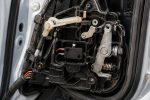
Mercedes-Benz has announced that certain vehicles may be affected by a door lock defect that can interfere with how the vehicle detects whether a door is open or closed. While many owners may have only noticed what seemed like minor electrical quirks, the company determined that, under specific conditions, the problem could present a potential safety concern.

What Is the Problem?

The issue involves a microswitch located inside the door lock assembly. Over time, moisture can penetrate the plastic housing surrounding the switch. In certain climates, this moisture can lead to corrosion of the electrical contacts, causing the switch to send incorrect information about the door’s status.

When this happens, the vehicle may behave as though a door is still open or closed when it is not. Early symptoms often appear to be simple convenience issues, including:

  • Interior lights remaining on after exiting the vehicle.
  • The radio or other electrical accessories continuing to operate unexpectedly.
  • Inconsistent door status detection.

Although these symptoms may seem minor, Mercedes-Benz determined that the underlying defect could have broader implications if left unaddressed.

How the Investigation Unfolded

Mercedes-Benz first began receiving reports of unusual door lock behavior between 2021 and 2024. At the time, the reports primarily involved comfort features, such as radios or interior lights remaining on after the driver left the vehicle. Because these incidents did not initially suggest a safety hazard, the manufacturer continued monitoring the situation.

In May 2025, a report from outside the United States prompted engineers to begin a much more detailed technical investigation. Over the following months, Mercedes-Benz reviewed diagnostic data, examined affected vehicles and components, worked closely with its supplier, and conducted extensive laboratory testing.

The investigation ultimately found that corrosion inside the door lock microswitch could develop when vehicles were exposed to prolonged periods of high humidity, elevated temperatures, and condensation. Frequent use of the doors could further increase exposure to these conditions.

Engineers also discovered that the problem was heavily influenced by climate. In drier regions, moisture absorbed by the switch housing can gradually dissipate, reducing the likelihood of corrosion. This helped explain why reports were concentrated in certain environments rather than being evenly distributed worldwide.

What Mercedes-Benz Found

After comparing laboratory testing with field reports, Mercedes-Benz concluded that the issue was not tied to a particular production period but instead to environmental conditions that allow moisture to accumulate over long periods.

By July 2026, the company determined that a potential safety risk could not be ruled out and decided corrective action was necessary for affected vehicles, including those sold throughout the United States.

How Common Is the Issue?

According to Mercedes-Benz, the company received 176 reports in the United States between March 2021 and June 2026 that were related to this door lock defect.

Importantly, those reports involved comfort-function issues, such as electronics remaining on unexpectedly. Mercedes-Benz stated that it was not aware of any rollaway incidents in the United States associated with this defect at the time of its investigation.

What Should Owners Do?

If you have noticed interior lights staying on, the radio continuing to play after exiting the vehicle, or other unusual door-related electrical behavior, your vehicle should be inspected by an authorized Mercedes-Benz dealer as soon as possible.

The Bottom Line

This issue serves as a reminder that even small electronic components can have significant consequences when they fail. What initially appeared to be a simple convenience problem was eventually traced to moisture-related corrosion inside the door lock mechanism. Through years of monitoring, engineering analysis, and environmental testing, Mercedes-Benz determined that the defect warranted corrective action to help ensure the continued safe operation of affected vehicles.
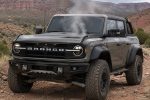
Owners of certain 2021–2026 Ford Bronco and Bronco Raptor vehicles should be aware of a newly identified defect involving the engine compartment wiring harness. The problem can allow wiring to become damaged over time, potentially creating a short circuit that could lead to smoke or, in rare cases, an engine compartment fire. Approximately 565,691 vehicles in the United States are affected.

What Is the Problem?

According to Ford and the National Highway Traffic Safety Administration (NHTSA), some Broncos and Bronco Raptors were built with insufficient abrasion protection on the engine wiring harness. As the vehicle is driven, the harness can rub against nearby engine components, eventually wearing through the protective covering and exposing electrical wires.

If the wiring becomes damaged, it may create an electrical short circuit that can generate heat or sparks inside the engine compartment.

  • Drivers may notice warning signs before a more serious problem develops, including:
  • Smoke entering the cabin through the air vents
  • Dashboard warning messages
  • A burning odor while driving
  • In rare cases, flames from the passenger side of the engine compartment

Any of these symptoms should be taken seriously, as an engine compartment fire can significantly increase the risk of injury and vehicle damage.

How Was the Defect Identified?

Ford’s investigation began after receiving reports from customers who experienced smoke and engine compartment fires. Engineers determined that under certain conditions, movement of the engine wiring harness could allow it to chafe against nearby components, eventually damaging the insulation protecting the wires.

Although the vast majority of affected vehicles are not expected to develop the problem, Ford concluded that the potential safety risk warranted a nationwide safety campaign. Only about 1% of the affected vehicles are estimated to actually have the defect.

Have There Been Any Fires or Injuries?

Ford has confirmed 15 reports of engine compartment fires believed to be related to this issue.  The good news is that no crashes have been linked to the defect and no injuries have been reported.

Even so, an electrical short that develops while driving has the potential to create a dangerous situation, making it important for affected owners to have the problem addressed promptly.

How Will Ford Fix the Problem?

Ford dealers will perform the repair free of charge.

The repair involves:

  • Inspecting the engine wiring harness.
  • Installing protective abrasion-resistant sheathing.
  • Applying additional protective tape where necessary to prevent future rubbing.

Owner notification letters are expected to begin mailing in late August 2026, and owners can also check their VIN through NHTSA or contact a Ford dealership to determine whether their Bronco is included.

What Should Owners Do?

If you own a 2021–2026 Ford Bronco or Bronco Raptor, watch for signs such as smoke from the HVAC vents, burning odors, or unexpected dashboard warnings. While many affected vehicles will never experience the defect, these symptoms should not be ignored.

Once you receive notification that your vehicle is included, schedule the repair with your Ford dealer as soon as possible. The protective wiring upgrade is designed to prevent future damage before it can create a safety hazard.

Know Your Rights if Problems Continue

Most Broncos included in this safety campaign should be successfully repaired with Ford’s recommended fix. However, if your vehicle continues to experience repeated electrical issues, warning lights, engine compartment smoke, or other significant defects after multiple repair attempts, you may have rights under your state’s lemon law or other consumer protection statutes.

Keeping detailed records of repair visits, service invoices, and communications with the dealership can help protect your rights if the problem cannot be permanently resolved.

Volkswagen has decided that a safety defect may exist in certain 2025–2026 Volkswagen Jetta vehicles.   A potentially serious electrical defect may increase the risk of a vehicle fire.

The recall, identified as NHTSA Campaign Number 26V-138 and Volkswagen recall 97TC, impacts approximately 48,165 vehicles across the United States and Canada.

What Is the Problem?

According to the recall notice, the issue stems from a transmission ground wire that may not have been properly connected during vehicle assembly.

This seemingly small oversight can create a much bigger problem.

If the ground wire is not connected:

  • The electrical system may develop an open circuit.
  • This can lead to unexpected current flow.
  • Excessive current may cause overheating of components.

Ultimately, this increases the risk of an engine compartment fire.

Why This Defect Is Dangerous

Electrical grounding is critical for safely managing current flow in a vehicle. Without a proper ground:

  • Electrical energy has no safe path to dissipate.
  • Components may overload or melt.
  • Heat buildup can occur in wiring or connectors.

Volkswagen has confirmed that in some cases:

  • Wiring and connectors have melted.
  • Engine compartment fires have occurred.

While no injuries or fatalities have been reported, the risk is real and should not be ignored.

Real-World Incidents Reported

Volkswagen has identified:

  • 6 confirmed cases (USA and Canada)
    • 3 involved melted wires/connectors
    • 3 involved engine compartment fires
  • 1 additional unconfirmed report

All incidents were limited to vehicle damage, but the potential for more serious consequences exists.

What Causes the Issue?

The root cause has been identified as human error during the assembly process.

Specifically:

  1. The transmission ground wire was not connected properly
  2. This resulted in an open electrical circuit
  3. The system may still partially ground through other components (such as the Oil Pressure Unit), creating unsafe current conditions.

Warning Signs? None.

One of the most concerning aspects of this recall is that:  There are NO warning indicators for drivers

That means:

  • No dashboard lights
  • No error messages
  • No early symptoms

The issue can exist without any visible sign, making it especially important to address proactively.

Timeline of the Recall

  • December 2025: First field cases reported and investigated.
  • February 19, 2026: Volkswagen confirms fire risk due to open circuit.
  • February 26, 2026: Escalated to Product Safety Committee.
  • March 4, 2026: Official recall decision made.

What Should Owners Do?

Volkswagen dealers will:

  • Inspect the transmission ground wire.
  • Repair or properly connect it if necessary.

Owner notification letters are expected to be mailed on May 8, 2026.

If you own a 2025 or 2026 Volkswagen Jetta, you should:

  • Watch for your recall notice.
  • Contact your local Volkswagen dealer.
  • Schedule a free inspection and repair.

Your Rights Under Lemon Law

If your vehicle has experienced:

  • Electrical issues
  • Burning smells
  • Smoke or fire damage
  • Multiple repair attempts

You may be entitled to compensation under your state’s Lemon Law.

Final Thoughts

This recall highlights how even a small assembly error can lead to serious safety risks. With no warning signs and confirmed fire incidents, affected owners should take immediate action.

If you drive a 2025–2026 Volkswagen Jetta, do not delay—schedule your inspection as soon as possible after receiving your notification.

battery problemsFord Motor Company has announced two significant recalls affecting its 2024 Explorer and Bronco Sport vehicles. Both recalls involve electrical issues that could potentially lead to serious problems for vehicle owners. Here’s what you need to know about each recall:

2024 Ford Explorer Recall (NHTSA Campaign Number: 24V-685)

Ford is recalling certain 2024 Explorer models equipped with 3.3L Hybrid engines. The issue stems from the 12-volt battery cable, which may chafe against the Belt-integrated Starter Generator (BiSG). If this occurs, it could lead to a short circuit.

This kind of electrical short can cause the vehicle to lose power, increasing the risk of a crash. In some cases, the short circuit could also result in a fire hazard. Ford is taking action to notify owners and replace or repair affected parts to ensure safety.

Key Concerns:

  • Affected Vehicles: 2024 Ford Explorers with 3.3L Hybrid engines
  • Problem: 12-volt battery cable could chafe against the BiSG, leading to a short circuit
  • Risks: Potential loss of power and fire hazard

2024 Ford Bronco Sport Recall (NHTSA Campaign Number: 24V-683)

The second recall involves certain 2024 Ford Bronco Sport vehicles. In these models, the body and powertrain control modules may fail to detect changes in the state of charge of the 12-volt battery. This issue can lead to incorrect readings and could affect the vehicle’s performance.

If the control modules fail to detect the battery’s actual charge, the vehicle may stall unexpectedly, which could increase the risk of an accident. Ford plans to update the control module software to fix the issue.

Key Concerns:

  • Affected Vehicles: 2024 Ford Bronco Sport
  • Problem: Control modules may not detect changes in the battery’s state of charge
  • Risks: Vehicle stalling unexpectedly, raising the likelihood of accidents

Ford will notify owners of the affected vehicles and instruct them to take their cars to authorized dealers for inspection and repair. The repairs, include replacing cables or updating control module software.

If you own a 2024 Ford Explorer Hybrid or Bronco Sport, it’s important to stay alert for communication from Ford about these recalls. In the meantime, you can also contact Ford’s customer service or visit the National Highway Traffic Safety Administration (NHTSA) website to check if your vehicle is part of the recall. By addressing these issues promptly, Ford aims to prevent potential accidents and ensure the continued safety of their customers.

AirbagToyota and Lexus have announced that they will be reaching out to owners of specific vehicle models due to a critical problem related to the electrical connection inside the steering column. This issue has the potential to disable the driver’s side airbag, leading to non-compliance with Federal Motor Vehicle Safety Standards for Occupant Crash Protection.

The problem first came to Toyota’s attention in May 2023 when they were contacted by the spiral cable assembly supplier. The supplier informed Toyota about an ongoing investigation into the manufacturing process, which revealed contamination in the washing station for specific spiral cable components. As a consequence, a poor welding condition could occur between the Flexible Flat Cable (FFC) and the bus bar, which affects connectivity to various controls on the steering wheel. Extensive testing conducted by the supplier between late-May and late-June indicated that the FFC might detach from the bus bar at the weak weld connection area.

As per the defect report, the steering column assembly in the affected vehicles contains electrical connections to the driver’s airbag module housed within a spiral cable assembly, including the FFC. In cases where the FFC is inadequately welded to the spiral cable’s bus bar, there is a risk of the FFC separating, resulting in one or more open circuits linked through the FFC. This separation specifically impacts the circuit responsible for connecting the driver’s airbag module. If connectivity is lost, the SRS warning light will activate, and the driver’s airbag may be deactivated, failing to deploy in a crash scenario that necessitates its activation. Consequently, this raises the likelihood of driver injury in the event of a crash.


The vehicles affected include:

2023-2024 Lexus NX Hybrid
2023-2024 Lexus NX250
2023-2024 Lexus NX350
2023 Lexus RX Hybrid
2023 Lexus RX350
2023 Lexus RX500H
2023 Toyota Corolla
2023 Toyota Corolla Cross
2023 Toyota Corolla Cross Hybrid
2023 Toyota Highlander
2023 Toyota Highlander Hybrid
2023 Toyota Tacoma

Dealers will inspect and replace the spiral cable assembly as necessary. Toyota’s number for this recall is 23TA08, Lexus’ number for this recall is 23LA02 and the NHTSA campaign number is 23V-480.

Ford will be contacting the owners of certain 2022-2023 Ford F-150 Battery Electric Vehicles (BEVs) due to a problem that may cause inoperative or flickering back-up lights. This issue came to the attention of Ford’s Critical Concern Review Group (CCRG) in March 2023, following reports of moisture in the rear light bar of select F-150 BEV Platinum and Lariat vehicles from the 2022 and 2023 model years. These vehicles feature a rear light bar that spans the tailgate and houses the supplemental tail lamp and reverse lamp functions. Upon further investigation, Ford discovered an increased rate of warranty reports citing moisture in the rear light bar, which consequently resulted in certain claims of malfunctioning or flickering rear supplemental tail lamps and reverse lamps.

Upon examining the returned parts, Ford observed the presence of water droplets or condensation within the lamp, indicating micro cracks in the outer lens of the light bar. Testing conducted on the parts retrieved from the field revealed that over half of them had either inoperative or flickering supplemental tail lamps and/or reverse lamps. The investigation by the CCRG pinpointed the cause of stress on the light bar to be static and dynamic loading during the assembly plant fit process, which involves aligning the tailgate and surrounding components. Additionally, extreme tailgate surface loading in temperatures below -40 Celsius was also identified as a factor. The forces exerted on the light bar and its housing result in stress being transferred to the lens, potentially leading to the development of micro cracks.

To address this issue, owners who receive notices will be required to visit their dealerships to have the rear light bar replaced. Ford has assigned the recall number 23S30 to this specific recall, while the NHTSA campaign number is 23V-418.

In situations where vehicle owners encounter persistent issues with their newly purchased vehicles, such as the problems described above, they may be protected by lemon laws. Lemon laws vary by jurisdiction but are generally designed to provide legal recourse to consumers who unknowingly purchase vehicles with substantial defects that affect their safety, value, or use. These laws typically require manufacturers to either replace the defective vehicle or refund the purchase price if the vehicle cannot be adequately repaired within a reasonable number of attempts. If you suspect that your vehicle is a lemon, it is advisable to familiarize yourself with the lemon law provisions in your jurisdiction and consult with a legal professional to understand your rights and options for resolution.

The Volkswagen ID.4 is a popular electric vehicle that has been making waves in the automotive industry since its release in 2021. However, like any other vehicle, the ID.4 has not been immune to problems, complaints, and recalls.

One of the most significant problems reported by ID.4 owners is related to the vehicle’s software. There have been multiple complaints of the software malfunctioning, resulting in issues such as loss of power, sudden deceleration, and even complete shutdown of the vehicle. These issues have led to multiple recalls of the ID.4, with Volkswagen issuing software updates to address the problem.

Another complaint reported by ID.4 owners is related to the vehicle’s charging capabilities. There have been complaints about the charging process being slow or inconsistent, with some reports that the vehicle fails to charge altogether. While this issue has not led to any recalls, it is something that Volkswagen needs to address to ensure that the ID.4 remains a competitive electric vehicle option.

There have also been several complaints regarding the ID.4’s braking system. Some drivers have reported that the brakes are unresponsive, while others have complained about excessive brake wear. These issues have not resulted in any recalls, but they are cause for concern and something that Volkswagen needs to address to ensure the safety of its drivers.

In addition to these issues, there have been a few recalls associated with the Volkswagen ID.4. The most recent recall involves certain 2023 ID4 rear-wheel drive vehicles. The 12-Volt battery charging cable may contact the steering column shaft and cause the cable insulation to wear, possibly resulting in a short circuit. As a precaution, owners of affected vehicles are advised to park outside and away from structures and other vehicles due to the potential risk of a vehicle fire.

In conclusion, while the Volkswagen ID.4 is a promising electric vehicle option, it has had its fair share of problems and complaints. From issues with the software to problems with the charging and braking systems, there are areas where Volkswagen needs to improve the vehicle. However, it is reassuring to see that Volkswagen has been proactive in addressing these issues, with recalls and software updates aimed at improving the driving experience and ensuring the safety of its drivers.

The 2018 Jeep Wrangler SUV Later Release, a popular off-road vehicle, has been the subject of numerous recalls and investigations. Many of these problems substantially impair the use, value, or safety of the vehicle. There have been a total of 11 recalls issued for the 2018 model year Jeep Wrangler Later Release. Some of the major issues include problems such as corrosion of the left rear frame section, incorrect transmission park rods, a cruise control system that cannot be canceled, and a voltage regulator that may fail and cause the vehicle to stall.

Although a recall hasn’t been issued since 2021, there are 5 ongoing investigations affecting the 2018 Jeep Wrangler SUV Later Release. These investigations include an examination of frame weld deficiencies, electrical over stress in the air bag ACU, seat belt buckle bracket failures, weld quality deficiencies, and the risk of desiccated air bag inflator ruptures.

The 2018 2018 Jeep Wrangler SUV Later Release has received the highest number of complaints for Jeep Wrangler built in the last fifteen years. Some of the major complaints include:

  • Service Brakes (21)
  • Vehicle Speed Control (15)
  • Fuel/Propulsion System (10)
  • Seats (10)
  • Exterior Lighting (8)
  • SEAT Belts (7)
  • Air Bags (7)
  • Lane Departure (5)
  • Steering (995)
  • Suspension (303)
  • Electrical System (120)
  • Power Train (91)
  • Structure (78)
  • Wheels (54)
  • Electronic Stability Control (46)
  • Engine (42)
  • Visibility/Wiper (33)

These recalls, investigations and complaints are a cause for concern. It is important to note that safety issues and repeated problems could mean your Jeep Wrangler is a Lemon. The California lemon law provides a solution for California consumers who have repeated problems with their vehicles. It applies to all new and many used vehicles, whether purchased or leased, for personal and most small business use.

Call us today at 888-EX-LEMON or 888-395-3666 for a free consultation, or complete the short form at the top of this page.