Mercedes-Benz has announced that certain vehicles may be affected by a door lock defect that can interfere with how the vehicle detects whether a door is open or closed. While many owners may have only noticed what seemed like minor electrical quirks, the company determined that, under specific conditions, the problem could present a potential safety concern.

What Is the Problem?

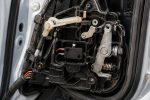
The issue involves a microswitch located inside the door lock assembly. Over time, moisture can penetrate the plastic housing surrounding the switch. In certain climates, this moisture can lead to corrosion of the electrical contacts, causing the switch to send incorrect information about the door’s status.

When this happens, the vehicle may behave as though a door is still open or closed when it is not. Early symptoms often appear to be simple convenience issues, including:

  • Interior lights remaining on after exiting the vehicle.
  • The radio or other electrical accessories continuing to operate unexpectedly.
  • Inconsistent door status detection.

Although these symptoms may seem minor, Mercedes-Benz determined that the underlying defect could have broader implications if left unaddressed.

How the Investigation Unfolded

Mercedes-Benz first began receiving reports of unusual door lock behavior between 2021 and 2024. At the time, the reports primarily involved comfort features, such as radios or interior lights remaining on after the driver left the vehicle. Because these incidents did not initially suggest a safety hazard, the manufacturer continued monitoring the situation.

In May 2025, a report from outside the United States prompted engineers to begin a much more detailed technical investigation. Over the following months, Mercedes-Benz reviewed diagnostic data, examined affected vehicles and components, worked closely with its supplier, and conducted extensive laboratory testing.

The investigation ultimately found that corrosion inside the door lock microswitch could develop when vehicles were exposed to prolonged periods of high humidity, elevated temperatures, and condensation. Frequent use of the doors could further increase exposure to these conditions.

Engineers also discovered that the problem was heavily influenced by climate. In drier regions, moisture absorbed by the switch housing can gradually dissipate, reducing the likelihood of corrosion. This helped explain why reports were concentrated in certain environments rather than being evenly distributed worldwide.

What Mercedes-Benz Found

After comparing laboratory testing with field reports, Mercedes-Benz concluded that the issue was not tied to a particular production period but instead to environmental conditions that allow moisture to accumulate over long periods.

By July 2026, the company determined that a potential safety risk could not be ruled out and decided corrective action was necessary for affected vehicles, including those sold throughout the United States.

How Common Is the Issue?

According to Mercedes-Benz, the company received 176 reports in the United States between March 2021 and June 2026 that were related to this door lock defect.

Importantly, those reports involved comfort-function issues, such as electronics remaining on unexpectedly. Mercedes-Benz stated that it was not aware of any rollaway incidents in the United States associated with this defect at the time of its investigation.

What Should Owners Do?

If you have noticed interior lights staying on, the radio continuing to play after exiting the vehicle, or other unusual door-related electrical behavior, your vehicle should be inspected by an authorized Mercedes-Benz dealer as soon as possible.

The Bottom Line

This issue serves as a reminder that even small electronic components can have significant consequences when they fail. What initially appeared to be a simple convenience problem was eventually traced to moisture-related corrosion inside the door lock mechanism. Through years of monitoring, engineering analysis, and environmental testing, Mercedes-Benz determined that the defect warranted corrective action to help ensure the continued safe operation of affected vehicles.
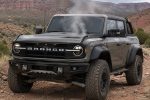
Owners of certain 2021–2026 Ford Bronco and Bronco Raptor vehicles should be aware of a newly identified defect involving the engine compartment wiring harness. The problem can allow wiring to become damaged over time, potentially creating a short circuit that could lead to smoke or, in rare cases, an engine compartment fire. Approximately 565,691 vehicles in the United States are affected.

What Is the Problem?

According to Ford and the National Highway Traffic Safety Administration (NHTSA), some Broncos and Bronco Raptors were built with insufficient abrasion protection on the engine wiring harness. As the vehicle is driven, the harness can rub against nearby engine components, eventually wearing through the protective covering and exposing electrical wires.

If the wiring becomes damaged, it may create an electrical short circuit that can generate heat or sparks inside the engine compartment.

  • Drivers may notice warning signs before a more serious problem develops, including:
  • Smoke entering the cabin through the air vents
  • Dashboard warning messages
  • A burning odor while driving
  • In rare cases, flames from the passenger side of the engine compartment

Any of these symptoms should be taken seriously, as an engine compartment fire can significantly increase the risk of injury and vehicle damage.

How Was the Defect Identified?

Ford’s investigation began after receiving reports from customers who experienced smoke and engine compartment fires. Engineers determined that under certain conditions, movement of the engine wiring harness could allow it to chafe against nearby components, eventually damaging the insulation protecting the wires.

Although the vast majority of affected vehicles are not expected to develop the problem, Ford concluded that the potential safety risk warranted a nationwide safety campaign. Only about 1% of the affected vehicles are estimated to actually have the defect.

Have There Been Any Fires or Injuries?

Ford has confirmed 15 reports of engine compartment fires believed to be related to this issue.  The good news is that no crashes have been linked to the defect and no injuries have been reported.

Even so, an electrical short that develops while driving has the potential to create a dangerous situation, making it important for affected owners to have the problem addressed promptly.

How Will Ford Fix the Problem?

Ford dealers will perform the repair free of charge.

The repair involves:

  • Inspecting the engine wiring harness.
  • Installing protective abrasion-resistant sheathing.
  • Applying additional protective tape where necessary to prevent future rubbing.

Owner notification letters are expected to begin mailing in late August 2026, and owners can also check their VIN through NHTSA or contact a Ford dealership to determine whether their Bronco is included.

What Should Owners Do?

If you own a 2021–2026 Ford Bronco or Bronco Raptor, watch for signs such as smoke from the HVAC vents, burning odors, or unexpected dashboard warnings. While many affected vehicles will never experience the defect, these symptoms should not be ignored.

Once you receive notification that your vehicle is included, schedule the repair with your Ford dealer as soon as possible. The protective wiring upgrade is designed to prevent future damage before it can create a safety hazard.

Know Your Rights if Problems Continue

Most Broncos included in this safety campaign should be successfully repaired with Ford’s recommended fix. However, if your vehicle continues to experience repeated electrical issues, warning lights, engine compartment smoke, or other significant defects after multiple repair attempts, you may have rights under your state’s lemon law or other consumer protection statutes.

Keeping detailed records of repair visits, service invoices, and communications with the dealership can help protect your rights if the problem cannot be permanently resolved.

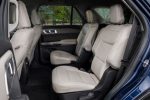
Ford has announced an expanded safety campaign affecting nearly 388,000 vehicles after discovering that a defect involving the second-row easy-entry seats could allow them to tip or slide unexpectedly while the vehicle is in motion.

The issue affects certain 2020-2027 Lincoln Aviator and 2020-2026 Ford Explorer models equipped with second-row easy-entry seats. The expanded campaign carries Ford reference number 26S52 and NHTSA Campaign Number 26V-451, building upon an earlier action that addressed the same concern.

What Is the Problem?

According to Ford, the easy-entry switch used to access the third row can bind or become stuck in the pressed position. When this happens, the second-row outboard seat may unexpectedly unlatch, tip forward, or slide while driving.  The issue is believed to occur when the plastic bezel surrounding the easy-entry switch becomes misaligned. If the bezel interferes with the switch button, it may prevent the button from returning to its normal position after being pressed.  While the investigation into the exact root cause is still ongoing, Ford says broken or misaligned bezel tabs may develop over time during normal vehicle use, even on some vehicles that previously received repairs.

Why This Matters

A seat that unexpectedly moves while driving creates an obvious safety concern. Occupants may suddenly lose their seating position, increasing the risk of injury—especially if a collision occurs.

Drivers may also notice warning signs before the problem becomes more serious, including:

  • Difficulty using the easy-entry feature.
  • The seat failing to return to its normal locked position.
  • The easy-entry button appearing stuck or remaining depressed.
  • Unexpected seat movement after the switch has been used.

If any of these symptoms appear, owners should have the vehicle inspected as soon as possible.

Why Is Ford Expanding the Campaign?

Ford previously launched a safety action in 2025 (NHTSA Campaign 25V-393, Ford 25S67) after identifying incorrectly installed switch bezels at a seat supplier. Dealers were instructed to inspect the switch bezel and replace damaged or improperly installed components.

After those repairs were implemented, Ford continued monitoring field reports.

In the spring of 2026, engineers identified additional reports involving:

  • Vehicles built after the original production changes had been implemented.
  • Vehicles that had already received the earlier repair.

By June 2026, Ford had documented 14 reports of unintended second-row seat movement caused by a stuck switch:

  • 8 reports involved vehicles not covered by the original campaign.
  • 6 reports involved vehicles that had already received the previous repair.

As a result, Ford expanded the population of affected vehicles to include models produced through June 24, 2026, when the original switch bezel design was permanently removed from production.

Which Vehicles Are Affected?

The campaign includes certain:

  • 2020-2027 Lincoln Aviator
  • 2020-2026 Ford Explorer

Only vehicles equipped with the second-row easy-entry seating system are affected.

Approximately 387,911 vehicles are included in the expanded campaign.

How Will Ford Fix the Problem?

Ford dealers will inspect the easy-entry switch bezel and replace the bezel and related components as necessary.

Because the final repair procedure is still being finalized:

  • Interim owner notification letters explaining the safety concern are expected to begin mailing July 27, 2026.
  • A second notification will be sent once the permanent repair is available, which Ford currently expects to be around January 2027.

Repairs will be performed free of charge.

What Should Owners Do?

If you own a 2020-2027 Lincoln Aviator or 2020-2026 Ford Explorer, watch for a notification from Ford and pay attention to any unusual operation of the second-row seats.

If a seat unexpectedly tips, slides, or fails to lock into position, it is recommended that the vehicle be inspected promptly. Even if your vehicle was previously repaired under Ford’s earlier campaign (25V-393 / 25S67), it may still be included in this expanded action.

Owners can verify whether their vehicle is affected by searching their Vehicle Identification Number (VIN) on the NHTSA website or by contacting their local Ford or Lincoln dealership.

Campaign Information

  • Manufacturer: Ford Motor Company
  • Ford Campaign Number: 26S52
  • NHTSA Campaign Number: 26V-451
  • Vehicles Affected: Approximately 387,911
  • Affected Models:
    • 2020-2027 Lincoln Aviator
    • 2020-2026 Ford Explorer
  • Defect: Second-row easy-entry seat switch may stick, allowing the seat to unlatch, tip, or slide unexpectedly.
  • Repair: Inspection and replacement of the switch bezel and related components as necessary.

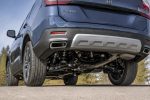
Certain 2026 Honda Pilot and 2026 Honda Passport SUVs could have a manufacturing issue that could affect the rear suspension. The defect involves improperly tightened rear subframe bolts, which could compromise vehicle stability and increase the risk of a crash.  The recall affects approximately 3,933 vehicles in the United States.

What Is the Problem?

According to Honda, the rear subframe bolts may not have been tightened to the correct specification during vehicle assembly.  The rear subframe is a critical structural component that supports parts of the suspension system and helps maintain proper handling and stability. If the bolts loosen over time due to normal driving loads or an impact, the subframe can begin to move out of position.  In severe cases, the rear subframe could partially or completely detach from the vehicle, significantly increasing the risk of a collision.

What Caused the Issue?

Honda traced the problem to changes made on the production line.

A new rear subframe pallet was introduced during manufacturing, but the torque settings used to tighten the subframe bolts were not properly evaluated before production began. The investigation also found several additional factors that reduced the effectiveness of the tightening process, including:

  • Incorrect torque specifications applied during assembly
  • Inadequate grease application on the tightening equipment
  • Improper gearbox adjustments
  • An incorrectly adjusted subframe pallet clamp

Together, these issues resulted in some vehicles leaving the factory with rear subframe bolts that were not tightened sufficiently.

Warning Signs Owners May Notice

Owners of affected vehicles may experience:

  • Abnormal noises coming from the rear of the vehicle.
  • Reduced vehicle stability while driving.

If either symptom develops, owners should have the vehicle inspected as soon as possible.

How Honda Discovered the Problem

Unlike many recalls that begin with customer complaints, this issue was identified during Honda’s own quality control process.

The timeline of the investigation includes:

  • May 15, 2026: Honda identified insufficiently torqued rear subframe bolts during a production line sampling inspection.
  • May 20, 2026: All vehicles remaining in inventory were inspected.
  • June 8, 2026: Honda completed an investigation to identify the affected vehicle population.
  • June 25, 2026: Honda determined a safety defect existed and initiated a voluntary recall.

As of June 25, 2026, Honda reported no warranty claims, crashes, injuries, or fatalities related to this issue in the United States.

Recall Remedy

Honda dealers will:

  • Inspect the rear subframe bolts
  • Replace the bolts if necessary

Owner notification letters are expected to be mailed beginning August 24, 2026.

Recall Information

  • Manufacturer: Honda (American Honda Motor Co.)
  • Affected Vehicles: Certain 2026 Honda Pilot and 2026 Honda Passport models
  • Recall Number: OOY
  • NHTSA Campaign Number: 26V-424

What Owners Should Do

If you own a 2026 Honda Pilot or Passport, watch for a recall notification from Honda.  Although Honda has not received any reports of crashes or injuries related to this issue, prompt inspection and repair will help ensure the rear suspension remains securely attached and your vehicle continues to operate safely.

Owners of certain 2021–2023 Ford Mustang Mach-E vehicles should be aware of a newly identified drivetrain defect that could lead to a sudden loss of power or unexpected vehicle movement. While no crashes or injuries have been linked to the issue so far, the potential safety risks have prompted Ford to launch a safety campaign affecting vehicles equipped with a rear-wheel-drive (RWD) drivetrain.

What Is the Problem?

According to Ford, the issue involves the rear differential pinion shaft, a critical component inside the rear differential assembly. Engineers have determined that some pinion shafts can develop bending fatigue, eventually causing the shaft to fracture.  If this happens while driving, the vehicle could experience a loss of motive power, leaving the driver without propulsion. In some cases, if the vehicle is placed in Park without the parking brake being applied, it could also experience unintended vehicle movement, increasing the risk of a collision.

Warning Signs

Before a failure occurs, some drivers may notice a Malfunction Indicator Light (MIL) illuminated on the dashboard. Diagnostic trouble codes that may be associated with this condition include:

  • P174E
  • P0A2F
  • P019C
  • P27B2

While these warning codes do not necessarily mean the differential has failed, they may indicate that the vehicle should be inspected promptly.

How Ford Discovered the Defect

The investigation began in March 2026 after Ford engineers analyzed a failed rear differential recovered from a 2023 Mustang Mach-E in Europe. During the tear down, engineers identified a fractured pinion shaft.  As the investigation expanded, Ford analyzed additional failed components returned under warranty and discovered a consistent pattern of bending fatigue failures. Engineers also found evidence that similar failures had been observed by the differential supplier during earlier analyses in 2025.

The investigation uncovered inconsistencies in the hardness measurements of some pinion shafts, although Ford states that the precise root cause is still under investigation.

By June 2026, Ford had identified:

  • 62 warranty claims
  • 14 Global Common Quality Indicator System (GCQIS) reports
  • 4 customer reports through the Global Contact Center
  • 2 European White Alert reports

Ford reports that it is not aware of any accidents, injuries, or fires related to this condition.

What Owners Should Expect

Ford dealers will inspect and repair or replace the rear differential assembly as necessary.

Because the final repair procedure is still being finalized, Ford plans to notify owners in two stages:

  • July 13, 2026: Interim notification letters explaining the safety concern.
  • Late December 2026 (anticipated): Follow-up letters when the permanent repair becomes available.

Vehicle Information

This safety campaign affects certain 2021–2023 Ford Mustang Mach-E vehicles equipped with a rear-wheel-drive (RWD) drivetrain.

Ford has assigned this campaign 26S50, while the National Highway Traffic Safety Administration (NHTSA) has identified it as Campaign No. 26V-417.

Final Thoughts

Although reports of actual failures remain relatively uncommon compared to the number of vehicles on the road, a fractured rear differential pinion shaft has the potential to disable the vehicle or allow unintended movement under certain circumstances. Owners of affected Mustang Mach-E models should watch for notification letters from Ford and arrange for the recommended service as soon as parts and repair procedures become available.

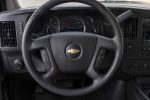
Owners of certain 2025-2026 Chevrolet Express and GMC Savana vans should be aware of a newly announced safety defect involving a potentially dangerous steering problem that could result in a loss of vehicle control.

What Is the Problem?

General Motors has recalled approximately 26,541 vehicles after discovering that some steering gear assemblies may contain a critical fastening nut that was not properly tightened during manufacturing.  According to the manufacturer, a malfunctioning parts sensor at a supplier’s facility allowed certain steering gear assemblies to pass inspection even though the retaining nut had only been hand-tightened instead of being properly torqued to specification.  If that nut loosens or separates from the steering gear while the vehicle is being driven, the driver could experience a sudden loss of steering control, significantly increasing the risk of a serious collision.

Warning Signs Drivers May Notice

Before a complete failure occurs, some drivers may notice changes in how the vehicle steers, including:

  • Reduced steering precision
  • A steering wheel that is noticeably off-center while driving straight
  • Steering that feels abnormal or inconsistent

Drivers experiencing any of these symptoms should have their vehicle inspected immediately and avoid delaying repairs.

How the Defect Was Discovered

The investigation began after a dealership reported finding a loose steering gear nut on a 2025 Chevrolet Express. On May 28, 2026, a GM quality manager submitted the concern through the company’s internal Speak Up For Safety (SUFS) reporting program.

GM formally opened an investigation on June 2, 2026. The supplier later determined that a malfunctioning inspection sensor had allowed improperly assembled steering gear units to leave the production line. By reviewing manufacturing torque records, the supplier was able to identify the potentially affected steering gear assemblies.

In addition to the original report, GM identified nine field incidents that may have been related to the defect. Fortunately, the company reported that none of those incidents resulted in injuries or crashes.

On June 18, 2026, GM’s Safety Field Action Decision Authority approved a formal safety recall.

What Is the Remedy?

GM dealerships will inspect the steering gear assembly and replace it if necessary.  Owner notification letters are expected to be mailed beginning August 10, 2026.

The recall information is:

  • GM Recall Number: N262563570
  • NHTSA Campaign Number: 26V-399

What Should Owners Do?

If you own a 2025 or 2026 Chevrolet Express or GMC Savana, watch for your recall notice to see whether your vehicle is included.  Even if your vehicle appears to be operating normally, steering system defects can become dangerous with little warning. Prompt inspection and repair are the best way to reduce the risk of a steering-related accident.

If you have already experienced steering problems, or if you were involved in a collision that may have been caused by this defect, it is important to preserve any repair records and seek legal advice regarding your rights. A manufacturer’s safety recall does not automatically compensate drivers for injuries or property damage that may have occurred before the recall was issued.

Owners of certain 2020-2022 Chrysler Pacifica Plug-In Hybrid Electric Vehicles (PHEVs) should be aware of a problem involving a potential high-voltage battery defect that could lead to a vehicle fire, even when the vehicle is parked and turned off.  The recall affects vehicles equipped with specific high-voltage battery packs manufactured during a limited production period.

What Is the Problem?

According to Chrysler, some affected Pacifica Plug-In Hybrid vehicles were built with high-voltage battery cells produced on an alternative assembly line at LG Energy Solution (LGES). Engineers have determined that these battery packs may experience an internal failure that can result in thermal runaway, a condition where battery cells rapidly overheat and potentially ignite.  What makes this recall particularly concerning is that the fire risk may exist even when the vehicle is parked and the ignition is turned off.

Which Vehicles Are Affected?

The recall applies to certain 2020-2022 Chrysler Pacifica Plug-In Hybrids.  The affected vehicles were manufactured between August 5, 2020, and May 2, 2022, during the period when batteries containing cells from the alternative LG Energy Solution production line were installed.  Vehicles built before or after this time frame, non-hybrid Pacifica models, and vehicles equipped with battery cells from LGES’s primary production line are not included in this recall.

How Was the Issue Discovered?

Federal regulators have been investigating reports of battery fires in Chrysler Pacifica PHEVs for more than two years.   The timeline includes:

  • January 17, 2024: NHTSA opened an investigation into battery-related thermal events in earlier model Pacifica PHEVs.
  • March 27, 2026: The investigation expanded to include 2017-2026 Pacifica Plug-In Hybrid vehicles.
  • April 30, 2026: Chrysler launched its own internal investigation into fires involving 2020-2022 models.
  • May 28, 2026: Chrysler concluded that a safety defect exists and initiated a recall.

How Many Fires Have Been Reported?

As of May 15, 2026, Chrysler reported:

  • 4 confirmed field reports of fires
  • 3 customer assistance records
  • No reported injuries
  • No reported crashes

While Chrysler describes the incidents as occurring at a very low frequency, each reported fire involved battery cells manufactured on the alternative LG Energy Solution assembly line.  Engineers have analyzed the one recovered battery pack involved in a fire, but the exact root cause has not yet been determined. Chrysler and LG Energy Solution continue to investigate.

What Should Owners Do?

Until repairs are completed, Chrysler is advising owners to take the following precautions:

  • Do not charge the vehicle.
  • Park the vehicle outside.
  • Park away from homes, garages, and other structures.

These temporary precautions are intended to reduce the risk should a battery failure occur.

What Is the Repair?

Chrysler dealers will perform repairs including:

  • Updating the high-voltage battery control module software
  • Inspecting the high-voltage battery pack
  • Replacing the battery pack if inspection determines replacement is necessary

Owner notification letters are expected to begin mailing June 23, 2026.

Recall Information

  • Manufacturer Recall Number: 52D
  • NHTSA Campaign Number: 26V-362

If your vehicle is included in this recall, it is important to follow Chrysler’s safety recommendations and schedule repairs as soon as they become available.

At Edzant Price LLP, we encourage vehicle owners to stay informed about manufacturer recalls and to document any issues they experience with their vehicles. If a defect results in property damage or personal injury, understanding your legal rights can be an important part of protecting yourself and your family.

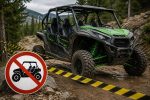
The Kawasaki Teryx H2 is one of the most powerful side-by-sides on the market, but some owners have experienced serious problems involving the vehicle’s CVT clutch system. These issues eventually led to a stop-ride notice and recall affecting certain Teryx H2 models.

If your Kawasaki Teryx H2 has been sidelined by clutch failures, repair delays, or recall-related downtime, you may have rights under California Lemon Law.

What Is the Kawasaki Teryx H2 Recall?

Kawasaki recalled certain Teryx H2 models after discovering that a component within the primary clutch assembly, known as the drive converter sheave, could crack or fail during operation.

A failed clutch component can damage the CVT system and may create safety concerns. As a result, Kawasaki instructed affected owners not to operate their vehicles until repairs could be completed.

The recall repair includes replacement of affected clutch components, installation of additional protective hardware, and a software update.

Common Problems Reported by Owners

Owners have reported:

  • Clutch failures
  • Excessive vibration
  • Belt damage and abnormal wear
  • Loss of power
  • Extended repair delays
  • Vehicles parked for weeks or months awaiting parts

For many consumers, the biggest issue is not simply the defect itself, but the loss of use caused by a stop-ride notice or repeated dealership visits.

Can a Recalled Kawasaki Teryx H2 Qualify as a Lemon?

Yes, in some situations.

California Lemon Law may apply when a manufacturer cannot repair a defect that substantially impairs the vehicle’s use, value, or safety.

Your Teryx H2 may qualify if:

  • The clutch or CVT system required multiple repair attempts
  • The vehicle was out of service for an extended period
  • The defect continues after repairs
  • The recall prevented normal use of the vehicle

A recall does not automatically make a vehicle a lemon, but it can be important evidence that a serious defect exists.

What Compensation May Be Available?

If your Kawasaki Teryx H2 qualifies under California Lemon Law, you may be entitled to:

  • A vehicle buyback
  • A replacement vehicle
  • A cash settlement
  • Recovery of attorney fees

Speak With a California Lemon Law Attorney

If your Kawasaki Teryx H2 has suffered clutch problems, repeated repairs, or lengthy downtime, you may have legal options. An experienced California Lemon Law attorney can review your repair history, explain your rights, and determine whether you may be entitled to compensation.

Don’t assume that a recall solves the problem. If your Teryx H2 has spent more time at the dealership than on the trail, it may be time to explore your Lemon Law rights.

Contact Us Today!